|
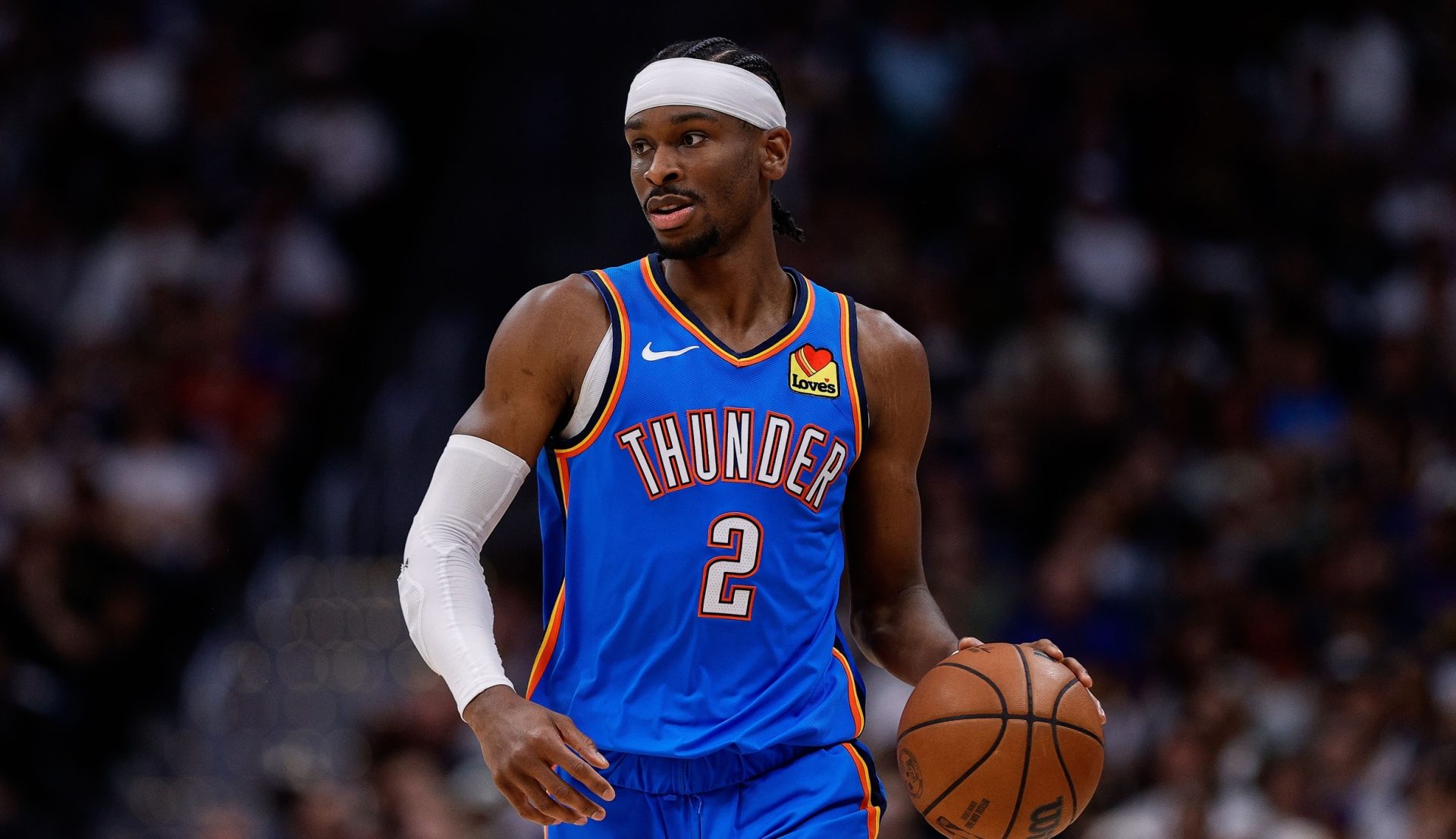
No matter what happens in Sunday’s Game 7 against the Nuggets, the Thunder will still have one of the more unique victories in American sports as it heads into the summer.
The team was able to get a local sales tax overwhelmingly passed in December 2023 despite no major playoff success and a poor track record for similar measures in the rest of the country in recent years.
In Oklahoma City, 71% of voters chose to extend an existing sales tax for six years called MAPS (Metropolitan Area Projects), which would have them pay $850 million of a new $900 million arena for the team. Thunder ownership will cover the other $50 million.
The city quickly became the envy of the country’s sports owners. Taxes to fund stadiums in cities such as Kansas City, Phoenix, Tampa Bay, and elsewhere have all failed, as American voters have become less pliant when teams ask for public funding.
David Holt, Oklahoma City’s Republican mayor, was the architect of the sales tax measure, but doesn’t think he cracked a code other cities haven’t, instead saying in a recent interview that he felt the Thunder had all the power.
“Cities like ours never have leverage in these situations,” he told Front Office Sports. “We in Oklahoma City haven’t had the team long enough to forget what it was like before we had the team.”
Oklahoma City is the country’s 42nd-biggest market and the third smallest in the NBA. The Thunder moved from Seattle to Oklahoma City in 2008 after Starbucks magnate Howard Schultz sold the team to investment banker Clay Bennett, and neither was able to secure public funding from Seattle for a new arena there. Bennett eventually paid Seattle $45 million in a settlement before moving the team.
Renderings for the Thunder’s new arena are expected this summer with the venue expected to open for the 2029–30 season. (It’s contractually required to open no later than June 2030.) The one-cent sales tax will begin April 1, 2028, when the current one expires. The Thunder and the city are still negotiating a lease for the new arena, but the city will own and operate it. The team currently pays $1.6 million in rent for the regular season.
Holy Cross sports economist Victor Matheson, who generally is opposed to public subsidies for stadiums, said that since 1990, the average new NBA arena has been built with 40% of public funding. The Thunder are going far beyond that. But Matheson said it’s hard to fault Holt’s approach in this case.
“This is one where the mayor is actually right,” Matheson told FOS. “The [previous] mayor talked about this 20 years ago when they got the Thunder. It was exactly the same story: ‘We want the NBA more than the NBA wants us, so we have to pony up some money here in ways other cities don’t have to.’ We basically have a $1 billion stadium with 95% public financing—which is way out of the norm—and not any public outcry.”
For more on the unique funding split the Thunder secured from Oklahoma City, read Alex Schiffer’s full story here. You can also read his full feature about the history the Thunder left behind in Seattle, and how devoted Sonics fans there remain.
|