There’s a new way for you to keep up with Front Office Sports — THE LEADOFF.
The biggest stories in the business of sports are now available wherever you listen to podcasts. Catch up in five minutes, every weekday morning.
Add it your library here and let us know what you think!
|
|
|

|
Roblox/Design: Alex Brooks
|
|
Roblox, the online game creation platform, generated $454.1 million in revenue in Q2 2021 — a 127% increase compared to the same period a year ago.
The quarter was driven by a jump in daily active users, which reached 43.2 million in the second quarter, up 29% year-over-year.
Despite the growth, Roblox missed Wall Street estimates. The company reported bookings of $665.5 million in Q2, shy of the average estimate of $683.3 million.
The latest earnings add to a busy first half of the year for Roblox:
- Roblox went public in March at a $41.9 billion valuation after multiple delays following scrutiny by the SEC regarding how revenue is recognized in its finances.
- Last month, it announced a partnership with Sony Music Entertainment to bring Sony recording artists into the Roblox metaverse.
- On Monday, it acquired Guilded, a company focused on building a platform to connect gaming communities. The service competes with messaging giant Discord.
However, Roblox still has some legal issues to sift through.
The National Music Publishers’ Association, on behalf of a number of music publishers, sued Roblox for $200 million in June due to an alleged failure to compensate writers or copyright holders for songs used on the platform.
|
|
|
|
|
Equinox+/Design: Alex Brooks
|
|
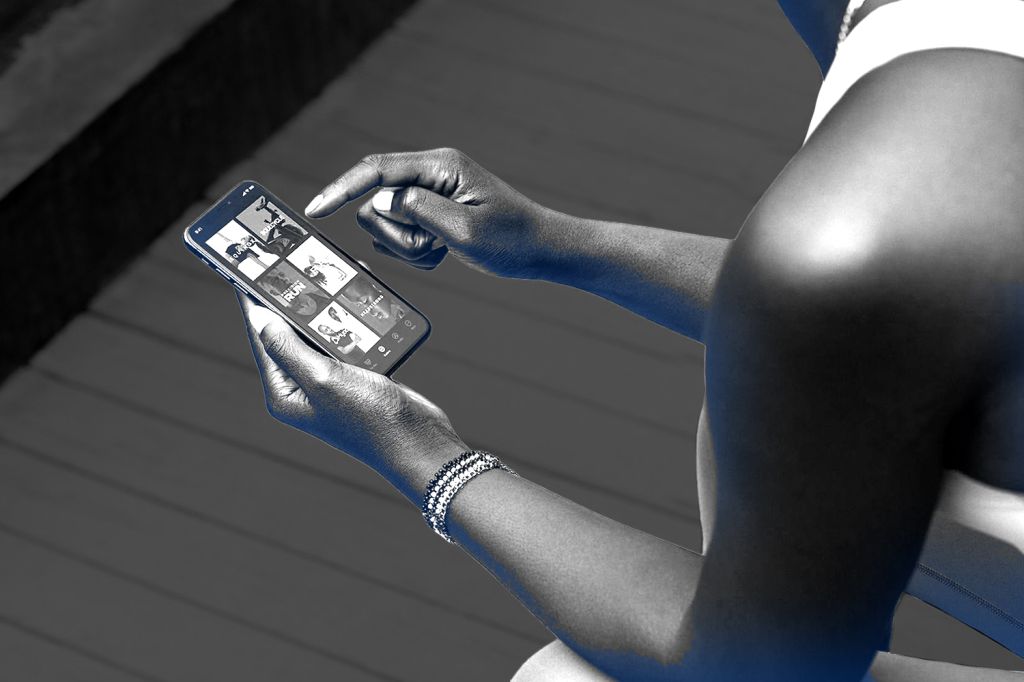
Equinox Media licensed the entire Universal Music Group catalog in January, but access to the world’s largest music wasn’t enough for the parent company of SoulCycle and Equinox.
As announced earlier this month, the fitness brand has partnered with Lorde, Calvin Harris, the Jonas Brothers, and the Supremes for a new series called “Equinox+ Features.”
- Available on Equinox+, the initiative promotes album drops, tours, anniversaries, and other milestones through artist-themed workouts, both in-person and at-home.
- Equinox has seen success in smaller versions of the series — like Joe Jonas participating in SoulCycle classes featuring his original music.
As fitness companies battle it out, music has become a key component in attracting customers. Peloton, for example, has launched its own virtual music festival and partnered with Verzuz.
However, the brand also settled a lawsuit in February filed by a music industry group that sought more than $300 million in damages and ended up paying a reported $49.3 million in settlement and litigation costs.
Slate recently published a chart from the Trichordist covering companies’ payout rates for musicians.
The report revealed that Peloton pays out 3.1 cents per stream of a strong, compared to Spotify’s 0.35 cents and Apple Music’s 0.68 cents.
|
|
|
|
|
Dream Sports/Design: Alex Brooks
|
|
Dream Sports has cash to spend, and on Monday it acquired Rolocule Games for an undisclosed sum.
India’s Rolocule focuses on midcore mobile games, which are short in duration and somewhat complex. The startup will be rebranded as Dream Sports Studios.
Last week, Mumbai-based Dream Sports launched Dream Capital, a $250 million venture fund focused on early stage sports, fitness, and gaming technology startups.
- The fund plans to invest in around 20 startups over the next 12 to 24 months.
- Dream Capital will target companies with the potential for $100 million in annual revenue in the next five years with investments between $1 million and $100 million.
- Dream Sports has a separate investment vehicle, Dream Sports Investments. DSI invested $50 million in cricket streaming company FanCode in May.
In addition to funding, Dream Sports can offer startups in its network access to its user base of 125 million people.
Best known for its fantasy sports platform Dream11, Dream Sports closed a $400 million funding round in March at a valuation just south of $5 billion — nearly double the valuation it received in a $225 million funding round in September 2020.
|
|
|
|
|
Reinhold Matay-USA TODAY Sports/Design: Alex Brooks
|
|
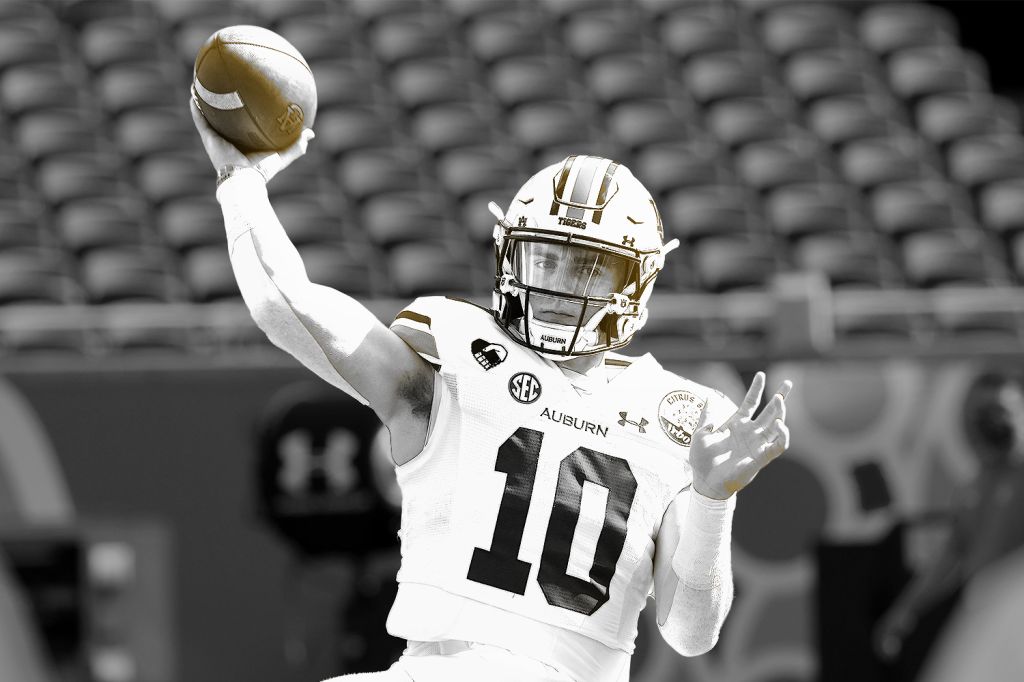
It’s been more than a month since college athletes were first able to profit from their name, image, and likeness — and some significant money has been earned.
Alabama quarterback Bryce Young has made close to $1 million, while Hercy Miller — an incoming Tennessee State University basketball player and Master P’s son — signed a $2 million endorsement with Web Apps America.
Athlete marketing platform Opendorse shared its numbers from the first month, revealing how much the average student athlete is earning in this new era for college sports.
- Division I: $471 average ($210,000 peak)
- Division II: $81 average ($750 peak)
- Division III: $47 average ($50 peak)
Football captured 79% of the NIL market share, with men’s basketball following at 9.6% and women’s volleyball at 5.5%.
Nearly half (46%) of the 2,500 athletes included in Opendorse’s data earned income from social media promotions, and 29% earned money from licensing their NIL rights. The rest came from signing autographs, making appearances, content creation, hosting camps, and selling products.
Last week, Utah-based Built Bar introduced an innovative twist on NIL deals when it told all 36 BYU football walk-ons that the company would pay for their tuition.
Editor’s Note: Opendorse is an FOS partner.
|
|
|
|
- Mercedes-EQ is expected to leave Formula E since the team hasn’t committed to next-generation car regulations.
- DAZN’s chief executive said the platform will become “a sports destination platform” over the next 12 months by adding wagering, betting, fantasy, and commerce content to the service.
- The Women’s Tennis Association named FanDuel its first authorized gaming operator, becoming the first women’s sport with video highlights throughout FanDuel’s digital platforms and sports books.
- Goldin and WWE have partnered to auction off a “billion dollar bill” featuring and signed by WWE chairman and CEO Vince McMahon.
|
|
|
Have you been on a cruise?
|
|
Monday’s Answer
48% of respondents travel for vacations two or more times per year; 32% travel one time; 20% don’t travel.
|
|
|