As networks prepare to shell out billions for NFL media rights, they’re getting a multimillion-dollar gift from the league.
|
|
|
|
Kirby Lee-USA TODAY Sports
|
|
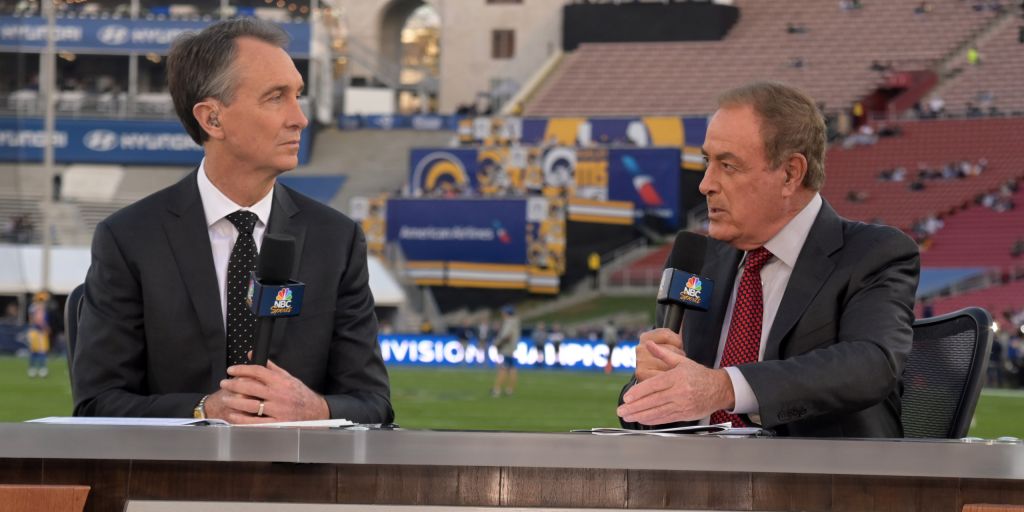
The NFL announced that it will allow CBS, NBC and Fox to sell two additional minutes of commercials in games leading up to Super Bowl LV.
The additional airtime for commercials will not be included in the Super Bowl.
Commercial spots typically run from $1 million in early playoff rounds to $2 million during conference championships, meaning the extra two minutes of ad time will account for millions in new revenue for the networks.
Broadcast networks, forced to shut down production amid nationwide closures, lost prime-time viewers and revenue as streaming viewership exploded. Growing interest from advertisers ultimately sparked the networks’ push for extra ad inventory.
“We already had more inventory in the postseason to begin with, but the demand was really strong,” Hans Schroeder, chief operating officer of NFL Media, told The Wall Street Journal. He clarified that the changes will not be permanent. “This is more about the moment we’re in.”
Along with the NFL, the networks have each agreed to give up one 60-second promotional spot to open the new ad time.
|
|
|
|
|
Sports drink companies are taking the battle for market share to the music industry.
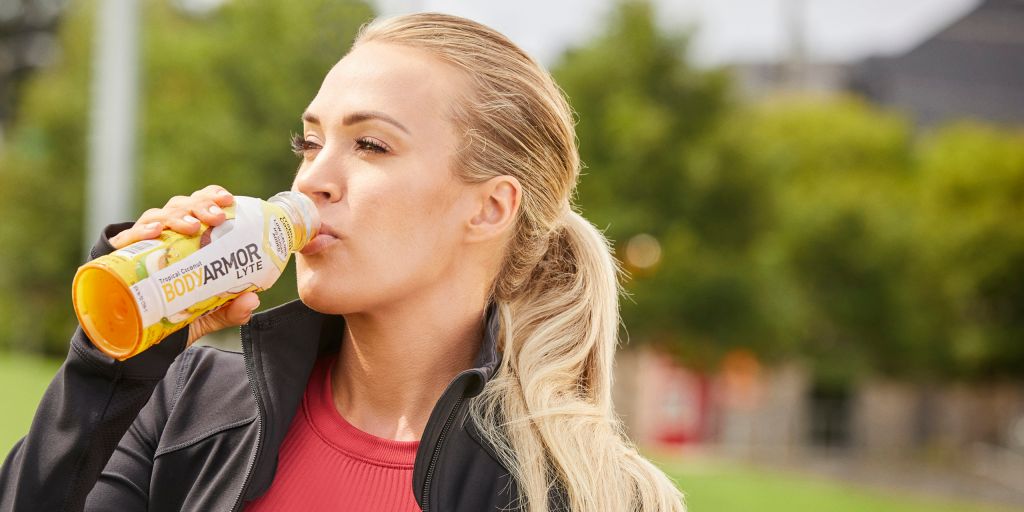
BodyArmor inked an equity deal with Carrie Underwood. It’s not a far-fetched move for the Grammy-winning country singer, who also has an apparel line with Dick’s Sporting Goods and has launched her own fitness app, fit52.
Underwood joined James Harden in the first TV campaign for the company’s BodyArmor Lyte brand — which debuted last night during “The Bachelor.” She will also help advertise the SportWater product as the company looks to broaden its appeal.
The move comes as sports drink companies are lining up to take on Gatorade’s 70% market share.
- BodyArmor: Equity partners now include Underwood, Harden, Dustin Johnson, Mike Trout, Naomi Osaka and Megan Rapinoe.
- BioSteel: Equity partners include Patrick Mahomes, Connor McDavid and Gleyber Torres. The company also signed deals with four NBA teams this offseason.
- Gatorade: Recent signees Fernando Tatís Jr., Damian Lillard and Matthew Wolff join a star-studded roster that already includes Peyton Manning, Bryce Harper and Serena Williams.
- Ready Nutrition: Investors include Giannis Antetokounmpo and Aaron Donald.
It’s not all about star power, however, as the new brand entries are also pushing Gatorade to expand its product offerings to include trendy ingredients like collagen and antioxidants.
What’s behind the transformation? BodyArmor President Brent Hastie likens the category’s evolution to that of Starbucks and coffee: “We’re premium, but that doesn’t mean I want to be a niche brand, we want to reinvent the category.”
|
|
|
|
|
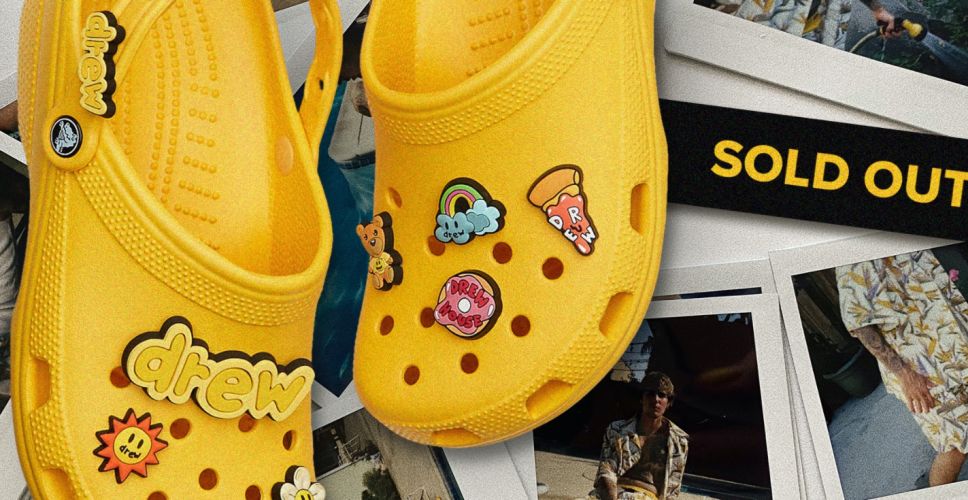
Crocs had a great year.
The colorful clog company will see its 2020 revenue jump more than 12% to approximately $1.4 billion: the brand’s best year ever.
Shares jumped more than 12% following the news on Monday, building on a 2020 where the stock had already jumped 50%.
By capitalizing on its comfortable reputation during lockdowns, Crocs was the only top footwear company to gain sales in March and April, according to NPD Group. On resale marketplace GOAT, 2020 Crocs sales increased 23 times over the prior year.
The company has been focused on reinventing itself as “cool” since private equity firm Blackstone invested $200 million for a 13% share of ownership in 2014. Working with influencers is a priority.
2020 Collaborations:
- Post Malone
- Justin Bieber
- Grateful Dead x Chinatown Market
- KFC
- Bad Bunny
The company is now a “top 10 footwear brand for U.S. teens,” according to research firm Piper Sandler.
Beyond new designs, the footwear offers wearers the ability to customize clogs with up to 26 Jibbitz charms. Jibbitz — which Crocs bought for $10 million in 2006 — doubled its revenue in 2020.
There are no plans to slow down, either. Crocs forecasts 20-25% growth in revenue and another record year in 2021.
|
|
|
|
|
Teams all over the world have suffered massive revenue losses during the pandemic, but one English football club is taking a unique route to filling the gaps.
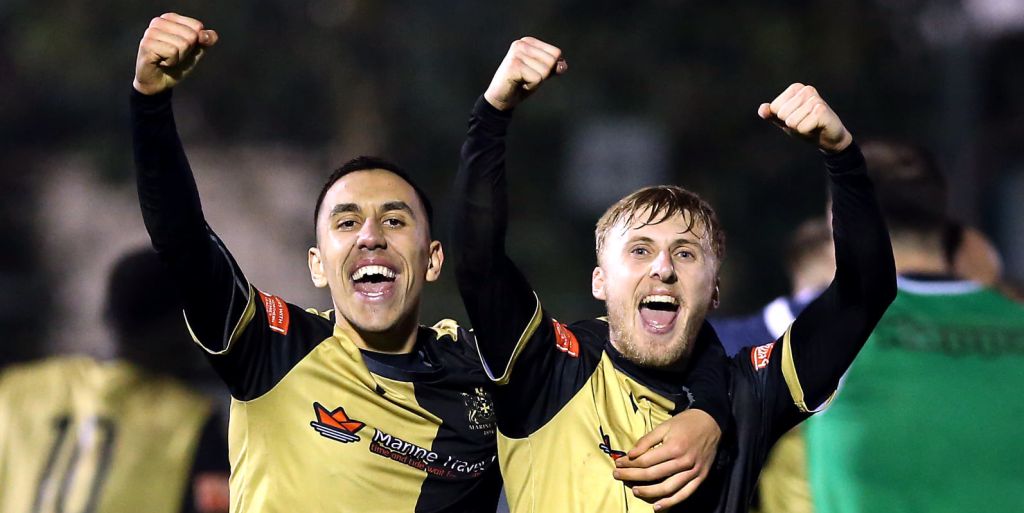
Without any fans in attendance, small-market Marine AFC lost 5-0 Sunday to Premier League opponent Tottenham Hotspur in the FA Cup. The loss was not a surprise, as the teams’ rankings differ by 161 spots, making the game the biggest mismatch in the tournament’s history.
But because of the Spurs’ global popularity, several new sponsors — including former Liverpool star Jamie Carragher — stepped up, and the game even had enough demand to sell “virtual tickets.”
The team surpassed 30,000 virtual tickets sold, worth over $400,000, after a push from famous football figures on social media.
Marine restricted fans from coming to their 3,185-person stadium in 2020, and are said to have missed out on about $135,000 in matchday revenue against Tottenham. The FA Cup’s prize money has also been reduced this year, another blow to the club’s financial plan — so much so that Marine were at risk of dissolving the team.
“The virtual tickets basically saved the club,” said Marine striker Niall Cummins. “We woke up on Sunday and we sold 12,500 tickets and suddenly social media took off.”
|
|
|
|
|
The PGA of America is cutting ties with President Donald Trump. The organization voted to move the 2022 PGA Championship away from the Trump National course in Bedminster, N.J. on the heels of the violent riots at the U.S. Capitol.
A growing number of sports media talents and executives are indulging their entrepreneurial instincts and going independent. In the most recent development, former ESPNers Dan Le Batard and John Skipper are forming their own content company.
Bettors can now wager on the Drone Racing League, following its success as a free-to-play pool at the beginning of the pandemic. According to DraftKings research, drone racing fans are three times more likely to bet than fans of major sports leagues.
|
|
|
Have you made an online purchase in the last 30 days?
|
|
Monday’s Answer
18% of respondents already have bet on an off-major sport; 25% would bet on an off-major sport; and 57% would not bet on an off-major sport.
|
|
|