|
NEW ORLEANS — Super Bowl LIX may ultimately earn the moniker the Security Super Bowl, or maybe the Super Bowl of Security, following the New Year’s Day terrorist attack on Bourbon Street. So will visitors appreciate it, or could the fun get ruined if the city feels like a soft police state?
The week needs to play out first to ascertain just how heavily patrolled the roads and sidewalks of New Orleans are, but there are more than a few hints it could be overwhelming. NFL head of security Cathy Lanier told reporters last week that security will be obvious; and Eric DeLaune, special agent in charge of Homeland Security Investigations who is leading Super Bowl LIX federal coordination, told ESPN his goal is to have a presence on every downtown street.
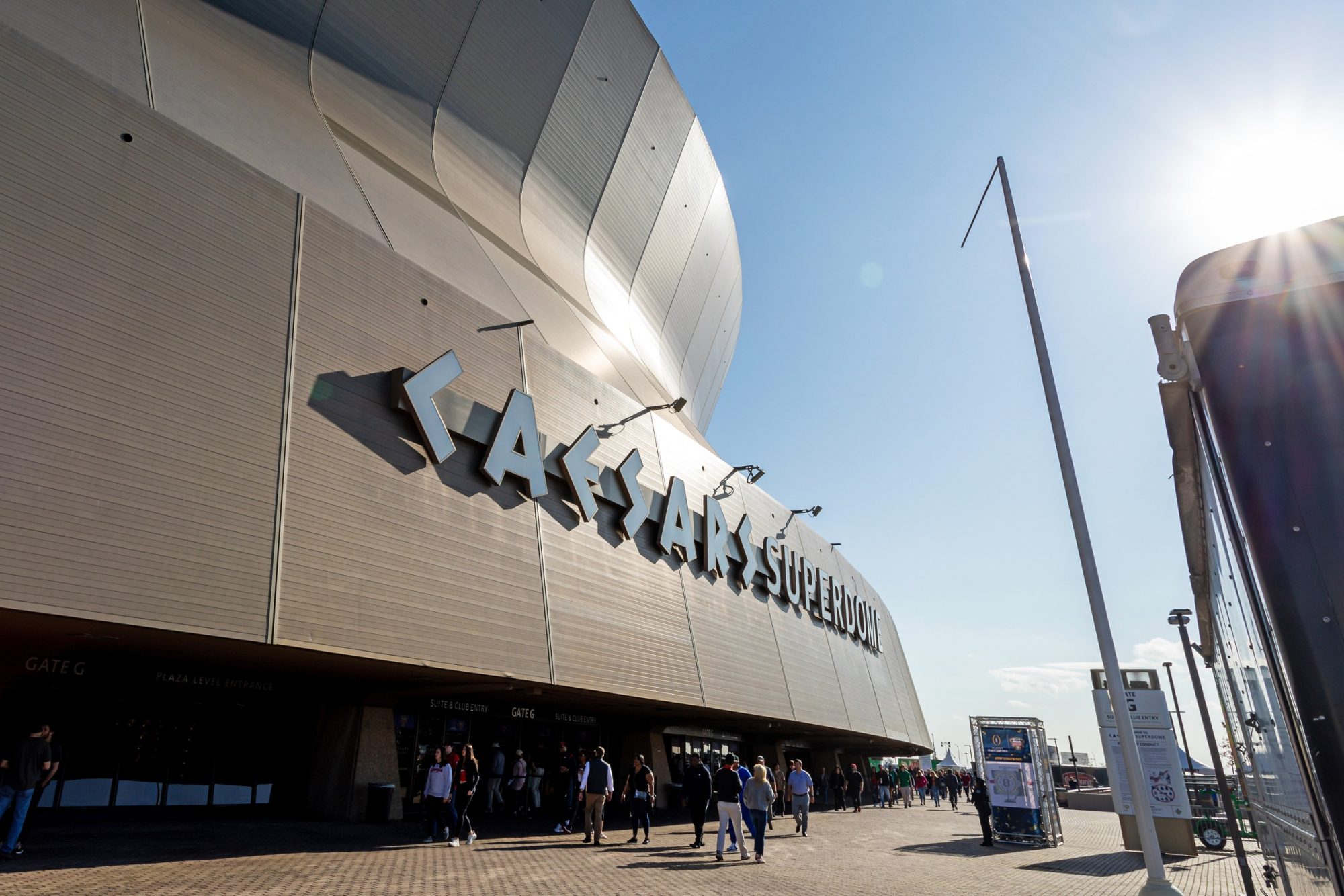
Security at a host city’s stadium has long been tight, and the Department of Homeland Security designates the game with its second-highest security rating, which allows for federal personnel to help secure the contest and the surroundings. But the New Year’s Day terror attack heightened security concerns outside the Caesars Superdome’s highly guarded perimeter to the bustling streets.
A security perimeter is in place around the French Quarter this week, meaning bag checks and bans on some items. While it won’t be as difficult as navigating security entering the Superdome campus, revelers can expect long lines where none had existed before. This may well be the new normal at big events that sprawl over many days and city blocks.
“You’re seeing this in places like, not just the Super Bowl, but even the NBA, which has these parties outside that could have five [thousand] or 10 thousand people attending,” said Mike Rodriguez, the former director of security at the US Open Tennis Championships, and who was on the DHS sports leagues sub-sector council with Lanier.
It’s plausible for every downtown New Orleans street to have a physical security presence, he continued. Even if that deployment doesn’t prevent an attack, the near-instant communications to the local, state, and federal officials on the ground is a great help, he said.
How much extra security this Super Bowl is ingesting, and what changed with the strategy after Jan. 1, Lanier declined to divulge. Pressed several times to quantify, she replied, “I can’t elaborate on how much more security. There is quite a bit of security that comes with this tier-one rating which gives us quite a large footprint. But I can’t really comment on how much different it was than the last Super Bowl.”
Rodriguez is sure the NFL has what it needs.
“I know from speaking to Cathy, first of all, they have the most law enforcement people associated with their command center than any event in the world. Okay, so that they have already, but I’m sure if there’s something else needed, she probably won’t have a problem getting it.”
How the 100,000-plus visitors to New Orleans this week react to the security enhancements will surely vary. Some will be like former NFL head of events Frank Supovitz, who will be in town this week and says he’ll feel reassured. For others, it could remind them of lurking dangers.
Within the NFL it’s long been said the safest place on Super Bowl Sunday is the venue itself. Now, will that adage apply to downtown New Orleans?
Read the full version of Dan Kaplan’s story here on how heightened security at Super Bowl LIX is impacting New Orleans.
|