PwC released its 2021 Sports Survey, which garnered close to 800 responses from sports professionals worldwide. Some of the findings have major implications for the NIL industry — and the brands and athletes who could benefit the most.
– Amanda Christovich
|
|
|
|
Photo: JOE RONDONE, TALLAHASSEE DEMOCRAT/Design: Alex Brooks
|
|
In the NIL era, brands aren’t necessarily looking to partner with athletes just because they’re famous on social media.
They want athletes who align with their interests and values, multiple experts on name, image and likeness have told FOS, and that athletes should be seeking brands who align with them.
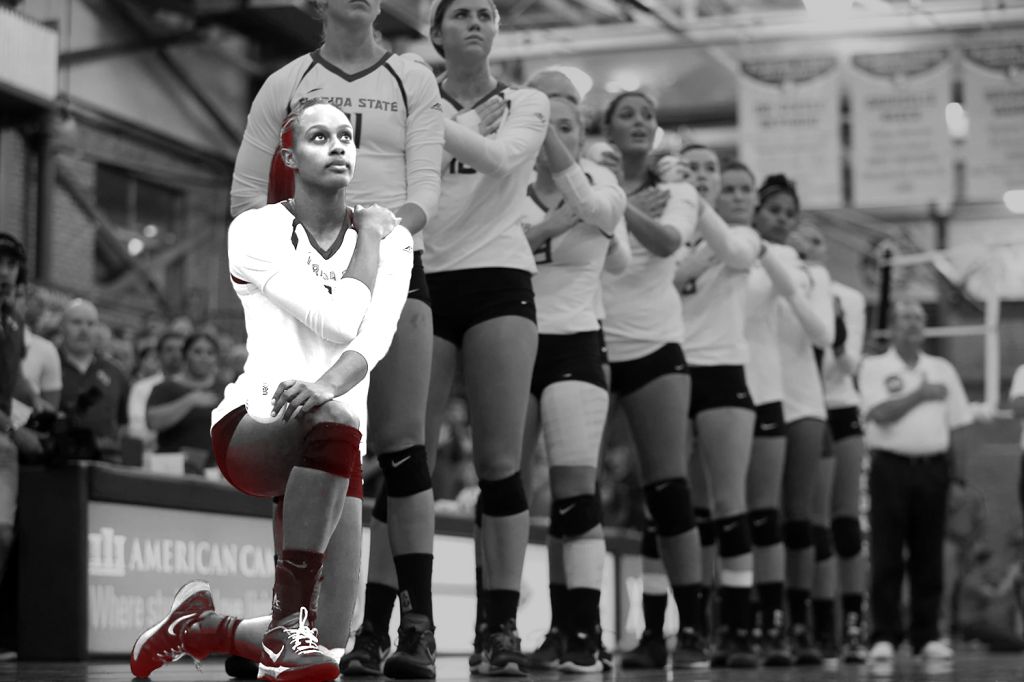
PricewaterhouseCoopers’ 2021 Sports Survey takes this ideological alignment a step further. Sponsorships will be more successful if they take a stand on social issues, the study found.
- Companies are “seeking to incorporate a deeper sense of purpose to resonate with fans’ and public opinion’s growing concerns for environmental issues, healthy living and social equality.”
- Consumers are more interested in brands that match their social and political beliefs, and are “increasingly empowered to reconsider their purchasing habits if a brand doesn’t match their values.”
- More than 50% of respondents said their companies have plans in place related to “social and environmental sustainability” that are “part of their corporate strategy.”
We’ve already seen plenty of this type of partnership in the pros.
Nike frequently drops ads suggesting they support various social causes, like women’s empowerment. February’s Super Bowl commercials were flooded with companies touting corporate social responsibility.
There have been some NIL examples, too. Icon Source created a campaign promoting gender equity in marketing deals. Rutgers basketball player Geo Baker was paid to promote an academic article about college sports reform — in line with his activism about economic justice for NCAA athletes.
|
|
|
|
|
Photo: Kirby Lee-USA TODAY/Design: Alex Brooks
|
|
The PwC survey confirms a well-documented trend — women’s sports athletes have led the way in social and political activism.
The survey notes that most professional athletes have historically kept quiet on politics. But “a new generation of athletes, particularly women, is now speaking out not only for their own rights and status, but also for broader community causes.”
The increasing popularity of women’s sports is giving them a larger platform, making their voices even more important, according to the survey.
Some women’s sports athletes — like those in the WNBA — have long been vocal. But in college sports, that hasn’t been the case until now. In just the past year, there’s been an explosion of activism across the NCAA.
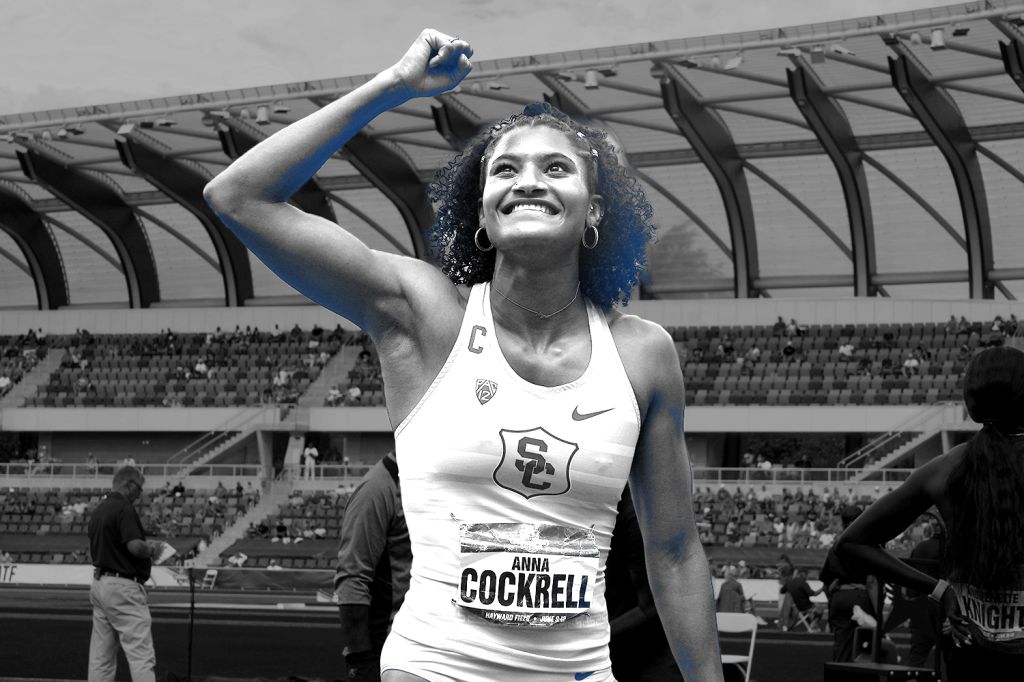
- In 2020, former USC hurdler and Tokyo Olympian Anna Cockrell launched an initiative to improve racial equity for Black USC athletes and staff.
- In March, Oregon basketball player Sedona Prince acted as a whistle-blower to inequities between the Division I men’s and women’s basketball tournaments.
- This week, more than 500 women’s sports athletes — including 276 college athletes — filed an amicus brief to the U.S. Supreme Court arguing against a Mississippi law that could ban abortions after 15 weeks of pregnancy, USA Today reported.
Experts have previously told FOS that women’s sports athletes could be some of the biggest winners in the NIL era. In a time where social consciousness is a huge consumer driver, there’s even more reason to believe they could be brands’ biggest assets.
Some brands have already gotten the memo. Prince has an NIL partnership with Parity, a sponsorship marketplace for female athletes working to fight the gender pay gap.
|
|
|
|
- SmartyStreets, a Utah-based company, is offering every single women’s sports athlete at BYU a sponsorship deal which could pay up to $6,000 to each athlete.
- Blue Delta Jeans, a Mississippi denim company, offered an NIL deal to every single Ole Miss football player. Athletes will receive one pair of jeans worth $450 each for one social post a month, as well as other compensation.
|
|
|
Many brands have said they jumped into NIL because they want to compensate previously unpaid athletes — so in a way, any NIL deal could be considered taking a social stance.
But for a deal to really stand out, that may not be enough.
Partnerships with a political tilt can be a win for everyone. They give athletes another platform to voice their opinions, and they give brands a PR edge — whether or not they live up to the social morales they’re touting.
Tips? Comments? Reach out to Amanda Christovich at amanda@fos.company or on Twitter.
|
|
|