Dick’s Sporting Goods had a big year as activewear and outdoor activities boomed, but now the company expects sales to cool off.
|
|
|

|
Dick's/Design: Alex Brooks
|
|
Dick’s Sporting Goods released its Q4 and full-year earnings on Tuesday and the retailer has reasons to be optimistic after an unprecedented fiscal year.
Fourth-quarter revenue reached $3.13 billion, beating analysts’ estimate of $3.07 billion for the quarter, and last year’s Q4 revenue of $2.61 billion.
“We were challenged in numerous ways, as were so many others, but as an organization we not only survived – we thrived, delivering record-setting sales and earnings,” said Ed Stack, the company’s executive chairman and chief merchandising officer.
The growing interest in golf, activewear, and general physical activity during the pandemic helped propel Dick’s to a profitable year.
- E-commerce sales increased by 100%.
- Net sales for the year climbed 9.5% to $9.58 billion.
Despite the success, the retailer’s shares fell by more than 6% yesterday due to its forecast that sales may slow as life returns to normal and more social or entertainment options become available.
As part of an effort to thwart any setbacks, the retailer is opening six new stores and six specialty concept stores. It also plans to buy back at least $200 million of its stock this year.
|
|
|
|
|
Crocs/Design: Alex Brooks
|
|
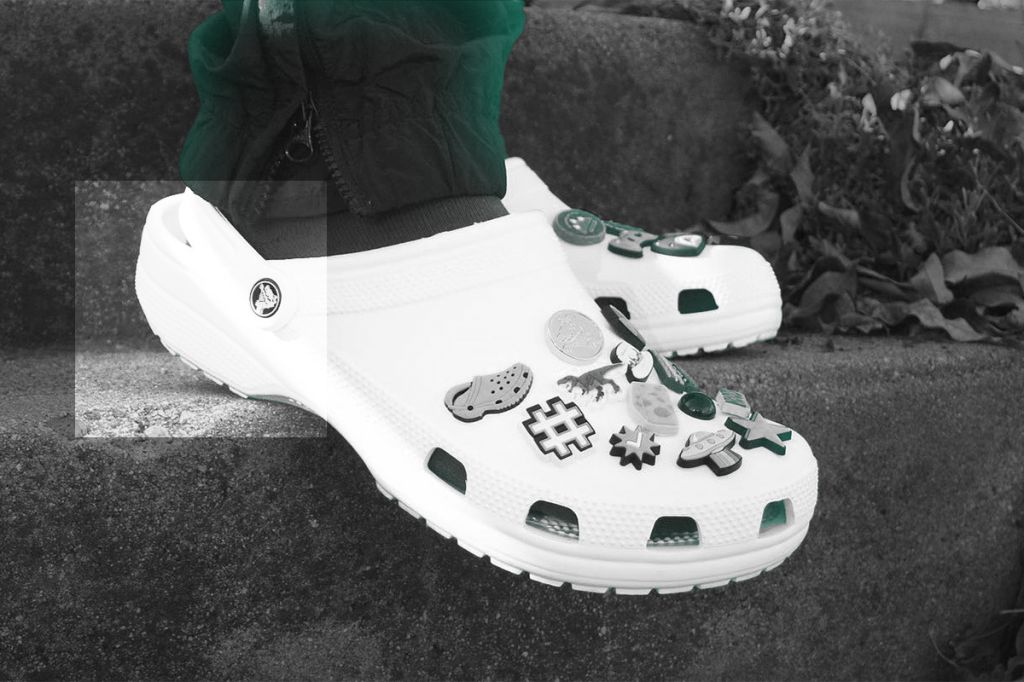
It’s been a banner year for junk bonds, and Crocs is joining the party.
The popular footwear brand became the 20th company this year to issue bonds in the U.S. market, and its $350 million in eight-year notes were quickly snapped up by investors, according to Bloomberg.
Its clogs have benefited from partnerships with celebrities, including Justin Bieber, Bad Bunny, and Post Malone, as well as resale markets like GOAT, where the foam shoes are a hot item.
Crocs initially planned to issue $300 million in bonds, but upped that number due to investor interest. Peloton had a similar outcome when it issued convertible notes in February, bumping the issuance to $1 billion from an initially planned $600 million.
Though the bonds carry a 4.25% yield, reflecting the relative risk that Crocs will be unable to repay them in 2029 as scheduled, the company is using the funds to pay off debt at less favorable terms.
With interest rates remaining low for the foreseeable future, many companies are tapping their borrowing power.
After tumbling along with the rest of the market one year ago, Crocs’ stock price has taken off, rising sevenfold from its March 2020 low, and reaching 79% above its pre-pandemic high at market close on Monday. Crocs’ revenue jumped 12% in 2020 to $1.2 billion.
|
|
|
|
|
DSME, P. Rutherford-USA TODAY/Design: Alex Brooks
|
|
After 125 years running, the Boston Marathon was canceled for the first time last April.
Though this year’s edition will go on, it won’t happen until October. In its place this spring, event organizers accustomed to rigorous annual planning will direct their efforts toward a major vaccination rollout.
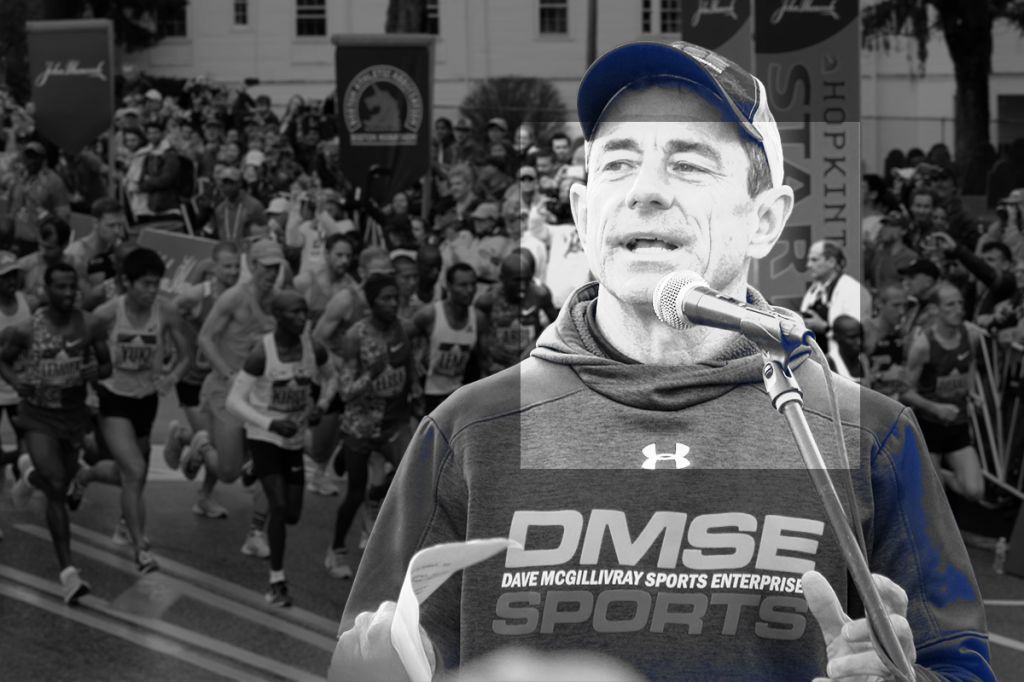
“We’d be really dialed in by now,” race director Dave McGillivray told The Wall Street Journal. “Ninety percent of the planning work would have been done.”
McGillivray has been the race director since 2001, but this year, he and his outfit DMSE Sports are assisting with Massachusetts vaccinations at various sports venues.
“They chose the right person,” Joan Benoit Samuelson — an Olympic gold medalist and two-time Boston Marathon winner — told the Wall Street Journal. “He’s a genius when it comes to logistics and large numbers of people.”
The 66-year-old McGillivray drew comparisons between the vaccination effort and his longtime position as race director.
“It’s different for obvious reasons, but it’s very similar in terms of the emotional impact,” he said. The 2014 marathon, which followed the bombing at the race a year prior, was “all about resilience and persevering and not being denied, and that’s what’s going on here.”
|
|
|
|

|
Athletes have training centers — why not sports startups, too?
Sports-focused venture firms InStudio Ventures and leAD are partnering to create The Draft, a sports tech incubator that provides funding and guidance to startups. It will raise $5 million to start.
The program expects that 90% of its startups will come from the States. NYCE Group, co-founded by impact investor Phillip Michael and FC Barcelona striker Martin Braithwaite, is an early supporter of The Draft.
Between sports betting, innovations in athlete performance, and efforts to broaden athletics markets to include more women, there is abundant opportunity in sports tech.
- This week, data aggregator and provider Sportradar signed a letter of intent to go public through a SPAC at a $10 billion valuation.
- Many companies, including Amazon and Apple, are exploring virtual and augmented reality as the next generation of fan experience technology.
The Draft will begin by investing in about three startups per year as it sets out in hopes of nurturing the next sports tech unicorn.
|
|
|
|
- The San Diego Padres signed a 10-year deal with Tappit, a cashless payment and data ecosystem. The team also agreed to extend the naming rights for Petco Park through the 2027 season.
- Global esports revenue is expected to hit almost $1.1 billion by the end of the year, per Newzoo. Juniper Research expects the global esports and game streaming industry to reach $3.5 billion by 2025.
- Last NBA season, there were 17 trades by deadline. There have only been three trades so far this season, despite a looming March 25 deadline. Get more stories like this in The Association — a free, daily NBA newsletter. Click here to subscribe.
- FOS was named to Fast Company’s list of Most Innovative Companies of 2021. Thank you to all of the Front Office Sports readers who keep us inspired and focused on telling great stories about the business of sports!
|
|
|
Have you made an online purchase in the last 30 days?
|
|
Tuesday’s Answer
Only 37% of respondents believe GameStop’s stock price will go above $300 again this year. It was $246.90 at market close yesterday.
|
|
|