Canada — home of maple syrup, Drake, universal healthcare and (possibly) legal sports betting.
|
|
|
|
Alex Brooks - Front Office Sports
|
|
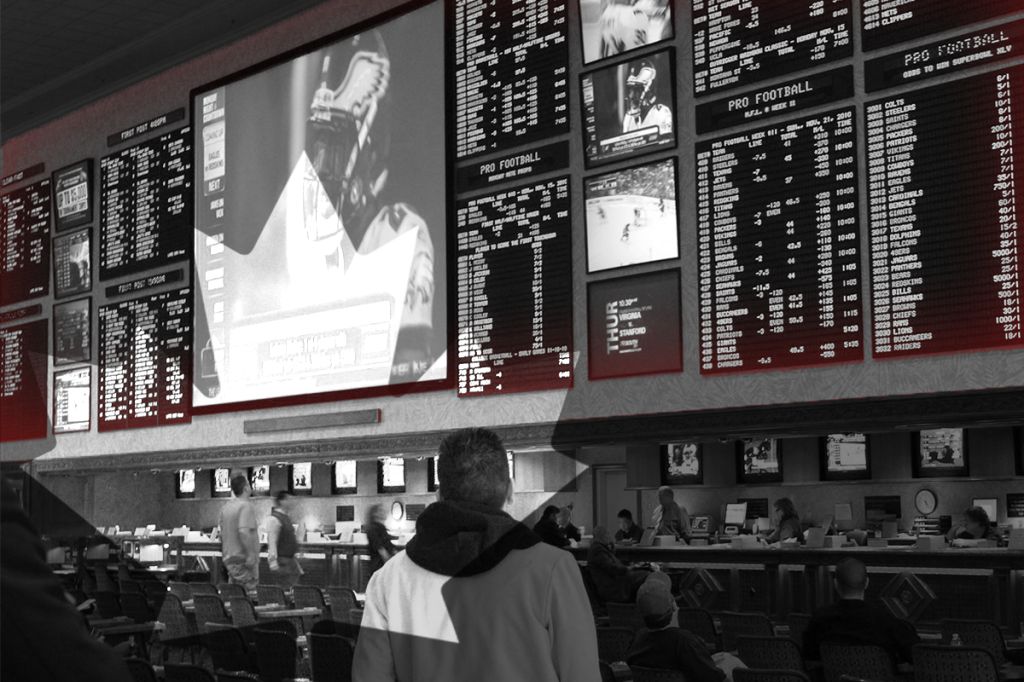
Sports betting north of the border? You can bank on it.
Canada’s House of Commons passed a bill allowing for single-event sports gambling by a 303-15 margin. The measure, which has the support of Prime Minister Justin Trudeau, will go through hearings in the Justice Committee, and then on to the senate.
If the bill is approved as written, single-event sports betting would be legalized nationwide with regulation in the hands of provinces and territories.
In June, the commissioners of the NBA, NHL, MLB, Major League Soccer, and Canadian Football League wrote a letter to Trudeau and other top officials calling for legalized gambling in the country. Such a move could lure gamblers away from a thriving black market.
- Every year, Canadians wager around $7.9 billion through illegal sportsbooks, which are often run by organized crime operations, per the Canadian Gaming Association.
- The association estimates that Canadians put an additional $3.2 billion into offshore online sportsbooks, with only $393.9 million passing through legal Canadian channels.
In the U.S., sports betting legislation continues its inexorable move through the states. A bill to legalize the practice in Arizona passed a Senate committee on Wednesday, and could make it to the full Senate in March.
Louisiana is sorting out taxes and regulations after legalizing sports betting in 55 of its 64 parishes, including the Baton Rouge and New Orleans areas. Ohio is starting to look at the issue, and numbers from some neighboring states may provide motivation to legalize.
Michiganders are off to a flying start, wagering $115.2 million in the first ten days of legal sports gambling in the state, which generated about $4.4 million in tax revenue.
Pennsylvanians placed $615.3 million in sports bets in January, 94% of which were placed online.
|
|
|
|

|
Photo: Rick Osentoski-USA TODAY/Design: Alex Brooks
|
|
The sports memorabilia industry is expanding beyond tangible assets.
NBA Top Shot, a blockchain-based marketplace, has exploded with basketball enthusiasts. Fans are buying, selling and trading assets in the same fashion as trading cards — only these collectibles aren’t cardboard, they are licensed digital “moments” of top NBA highlights.
Moments are released individually or in packs, with varying levels of scarcity. A rare 13-second clip of Zion Williamson’s first career block recently sold for $100,000.
One look at the 24-hour market movement shows just how much the craze has caught on:
- Total volume of 24-hour sales exceeded $8 million as of 6 p.m. ET on Feb. 18.
- 22,000 sellers and 13,000 buyers were active in the marketplace in the same period.
- A 1-of-275 Jamal Murray dunk was bought six months ago for $21 and sold Thursday for $699. The highest sale of the same dunk was $1,000 in January.
- A 1-of-7500 Steph Curry three-pointer was bought one month ago for $29 and sold Thursday for $349. The highest previous sale of that moment was $3,030.
The digital highlights can be purchased using cryptocurrency and are linked to serial numbers that guarantee authenticity. However, buyers don’t own the highlights outright — intellectual property rights still belong to the NBA.
Powered by blockchain product developer Dapper Labs, Top Shot currently has more than 65,000 users and has handled over $85 million in transactions. Last week, Dapper announced plans for a $250 million fundraise at a $2 billion valuation. The company says it’s profitable.
|
|
|
|
|
Alex Brooks - Front Office Sports
|
|
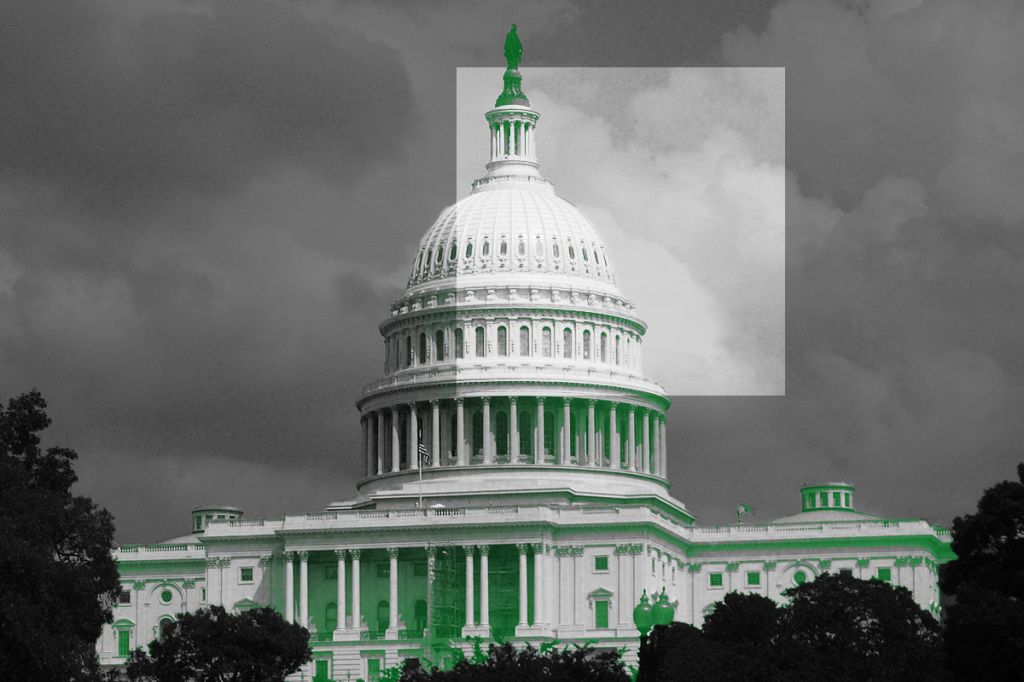
Less than a month after the GameStop trading frenzy, the House Committee on Financial Services interviewed the key players in a Congressional hearing led by congresswoman Maxine Waters (D-CA).
Vlad Tenev, CEO of Robinhood
Tenev apologized for limiting trading of GameStop and other stocks, but stuck with his position that Robinhood did nothing wrong. The company previously stated it was forced to stop trading due to demand from its clearinghouse.
When asked if Robinhood was pressured to restrict buying, Tenev said there was “zero pressure from anyone. It was a collateral depository requirement decision made by a Robinhood securities president.” He said that Robinhood doesn’t “answer to hedge funds.”
Gabriel Plotkin, founder of Melvin Capital hedge fund
Plotkin’s goal in the hearing was to clarify what his firm’s market bet against GameStop meant. In Melvin’s eyes, GameStop’s model of brick-and-mortar stores was “being overtaken by digital downloads,” which resulted in the short.
Melvin lost more than $4 billion on GameStop and other positions. The fund had over $12 billion in assets under management at the beginning of 2021.
During the rally, Melvin accepted an investment of $2.75 billion from hedge funds Citadel and Point72, but all parties insisted it was not an “emergency cash infusion,” as many had thought.
Keith Gill, the Redditor
Gill stood by his statement that his interest in GameStop was based on his “belief that the market was underestimating the brick-and-mortar retailer’s value as well as its potential to pivot to a digital business model.”
The Redditor is facing a class action lawsuit which accuses him of representing himself as an amateur investor when he’s actually a licensed professional. “I do not have clients, and I do not provide personalized investment advice for fees or commissions,” he said.
GameStop’s stock price briefly rose after Gill’s testimony, but was down more than 11% on the day to $40.69 at market close — a long way from its $483 peak in January.
|
|
|
|
|
Photo: Charles LeClaire-USA TODAY/Design: Alex Brooks
|
|
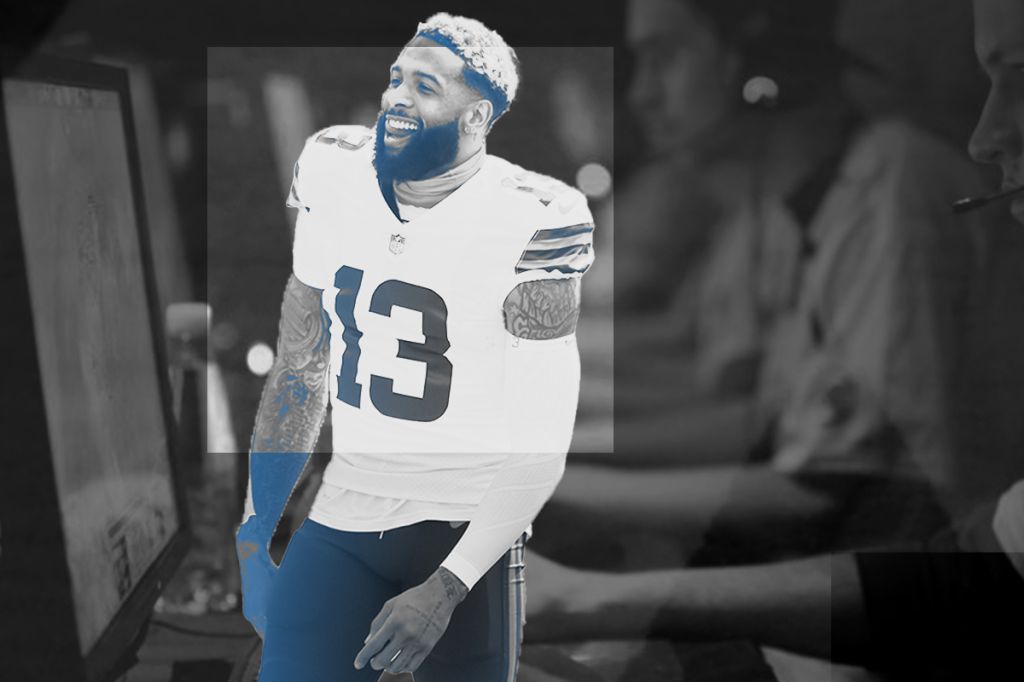
eFuse, a new gaming-focused social media platform, is poised to level up.
Founded by 23-year-old Matthew Benson, eFuse has secured $6 million in investments from a group of professional athletes, executives, and gamers. The round, led by the Ohio Innovation Fund, drew contributions from athletes like Odell Beckham Jr., Ezekiel Elliot and Seth Curry.
The new investment will go toward platform improvements and expanding eFuse’s user base with hopes of making the video game industry more diverse. The company raised $3.2 million in a previous round.
“Gaming has a discovery and diversity problem,” said Benson. “Considering the industry’s crazy growth and amazing potential, gamers need a place to connect, share and support each other.”
eFuse provides an avenue for gamers to share their portfolios in a similar fashion to LinkedIn. Users can apply for scholarships, internships and jobs by creating a profile and sharing their talents through a highlight reel.
“Gaming certainly needs competitors, but it also needs everything from 3D modelers, game designers, business and creative executives, and much more,” added Benson. “That’s what is most exciting about eFuse; we want to help all types of gamers get discovered.”
Seventy-one percent of video game developers globally are men and only 2% of all developers identify as black, according to the International Game Developers Association.
Experts estimate the video game industry will reach $196 billion in revenue by 2022.
|
|
|
|
- The Ivy League has decided it won’t conduct a spring sports season. The decision also ends any potential of league championship games. Restrictions on visitors, travel and gathering are the cause for terminating the season.
- McDonald’s All American Games have been canceled for the second straight year due to COVID-19. Over 700 nominees between boys and girls won’t have the opportunity to potentially play in the most prestigious high school basketball all-star game.
- The NFL has approved testing of position-specific helmets. The helmets designed for linemen represent the latest advancement in technology to help combat the threat of brain injuries sustained during play.
- Dame Time is real. Portland Trail Blazers star Damian Lillard is, statistically, the NBA’s most efficient scorer in clutch situations. Get more stories like this in The Association — a free, daily NBA newsletter. Click here to subscribe.
|
|
|
Thursday’s Answer
31% of respondents considered themselves avid investors; 69% did not.
|
|
|