Bron, AD, Russ, and Melo on one team? Lakers GM Rob Pelinka is putting in WORK. ScanLink</a >
|
|
|
|
Activision Blizzard showed impressive revenue growth, while turmoil within the company led to the departure of Blizzard president J. Allen Brack on Tuesday.
Brack is stepping down as the company reels from a lawsuit brought by the California Department of Fair Employment and Housing. The suit alleges pay and opportunity discrimination against women and a culture that tolerated regular sexual harassment.
The gaming giant saw strong performances from its biggest titles — “World of Warcraft,” “Call of Duty,” and “Candy Crush” — as it beat expectations in the second quarter, which ended prior to the uproar.
- Revenue grew 18.8% year-over-year to $2.3 billion.
- Net income hit $876 million, a 51% leap from Q2 2020.
The company addressed the allegations in its earnings announcement, noting that it has hired a law firm to review company policies and procedures to ensure they “promote a respectful and inclusive workplace.”
Previously, the company and its legal counsel publicly challenged the merits of the lawsuit, prompting more than 2,000 current and former employees to sign a letter harshly criticizing the company’s response. Fifteen hundred employees staged a walkout last week.
The accusations are affecting other parts of the business, too. T-Mobile appears to have pulled out as a sponsor of the Overwatch and Call of Duty leagues, per Kotaku. Activision Blizzard acknowledged that a spate of negative press could affect future earnings.
|
|
|
|
|
Garmin/Design: Alex Brooks
|
|
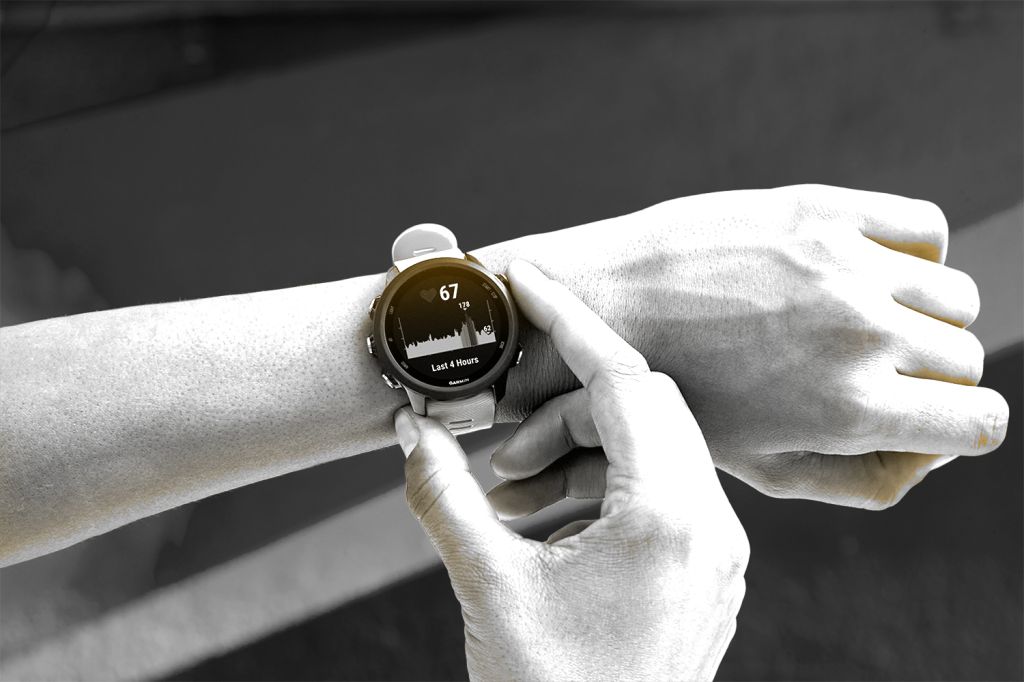
Garmin saw enormous growth in the second quarter, firmly establishing its place in the wearables market.
The outdoor, vehicle, and fitness technology company’s revenues grew 53% year-over-year to $1.33 billion in the 13 weeks ending June 26, the company reported last week.
Sales were driven by its wearables, but Garmin also makes tech accessories for boats, planes, and automobiles such as GPS devices, chartplotters, and autopilot systems.
Garmin’s fitness and outdoor segments accounted for 55.5% of its Q2 revenue, with aviation, marine, and auto device sales making up the rest.
Based in Switzerland, Garmin has carved out a place in a market occupied by some of the largest companies in the world.
- Apple’s Q3 2021 sales in the home, wearables, and accessories category grew 36% year-over-year to $8.78 billion.
- In January, Google finalized a heavy investment in wearables with its $2.1 billion acquisition of Fitbit.
- Peloton is working on a wearable to complement its home fitness system.
Other upstarts in the market include Oura and Whoop, which have raised over $100 million and $200 million, respectively.
Garmin dialed up its revenue estimates for the year across all segments and now expects to bring in $4.9 billion in 2021.
|
|
|
|

|
Andrew Nelles-USA TODAY Sports/Design: Alex Brooks
|
|
Two years after acquiring the pan-European network Eurosport in 2014, Discovery Communications purchased European rights to the 2018-24 Olympics for $1.5 billion.
The deal amounted to just a fraction of the $12 billion NBCUniversal paid for U.S. rights to 10 Olympic Games through 2032, and it’s paying off well so far.
- More than 275 million viewers watched the Tokyo Games across all Discovery platforms in the first week.
- Of that, more than 100 million have watched Discovery’s TV and digital coverage.
- Another 175 million watched through Discovery’s sub-licensing deals.
Nearly 750 million minutes of Olympic content were streamed on the Discovery+ and Eurosport subscription services, almost 18 times more than the first week of the PyeongChang Winter Games in 2018.
Despite the record numbers, many viewers across Europe have been confronted with the downsides of Discovery’s streaming-focused contract — most notably its limitations on free-to-air coverage.
In the U.S., NBCUniversal’s viewership was down 42% from Rio 2016 halfway through the Tokyo Games. The media giant has even renegotiated with advertisers, some of whom spent $1.25 million for a 30-second ad.
|
|
|
|

|
Tencent/Design: Alex Brooks
|
|
Tencent, the conglomerate and global leader in gaming, saw its shares plunge on Tuesday after Chinese state media branded online games “mental opium.”
The state-owned media reported that games have a negative impact on the health of minors. As a result, Tencent’s shares fell 6.1% in Hong Kong.
Tencent is still thriving due to its gaming business.
Back in May, the company reported $20.6 billion in revenue for Q1, a 25% increase year-over-year. Mobile gaming revenue made up 32% of that total.
However, China’s State Administration of Market Regulation ruled in July that Tencent failed to meet requirements on relinquishing exclusive rights. Since last year, Tencent has faced antitrust concerns over not reporting details of several investments and other anticompetitive practices.
Despite the adversity, Tencent continues to expand its offerings.
- It signed a three-year deal in April with Major League Baseball to broadcast in Asia.
- The company inked a multiyear distribution deal with Sony Music in May.
- It took a majority stake in Berlin-based game maker Yager in June.
- Last month, it acquired British gaming company Sumo Group for $1.27 billion.
Overall, Tencent invested in 62 gaming companies in the first half of the year.
|
|
|
|
- FIFA banned its former interim president Issa Hayatou for one year for alleged wrongdoing in a commercial deal for African soccer.
- Baseball Hall of Famer Cal Ripken Jr. will serve on the America250 sports and entertainment advisory council.
- BetMGM and Cheddar News have partnered to create a sports betting business show called “Cheddar Bets.”
- The Atlanta Hawks and Oklahoma City Thunder took little time using the free agent moratorium to lock up their respective future cornerstones, Trae Young and Shai Gilgeous-Alexander. Both players’ deals are five years for a guaranteed $172 million. Get more stories like this in the Sports Section, a free daily newsletter. Click here to subscribe.
|
|
|
Do you plan on staying at a hotel in the next 6 months?
|
|
Tuesday’s Answer
38% of respondents would watch a pay-per-view Super Bowl.
|
|
|
|
*All times are EST unless otherwise noted.
*Odds/lines subject to change. T&Cs apply. See draftkings.com/sportsbook for details. |
|
|