Want more from Front Office Sports
in your search results?
Since Vanderbilt quarterback Diego Pavia successfully sued the NCAA for another year of eligibility, dozens of athletes have tried to follow in his footsteps—causing something of an existential crisis in college sports.
But not all of the players who tried to copy Pavia’s legal strategy by filing antitrust cases in federal court have been successful. Of the 47 cases filed since the fall of 2024 that weren’t dropped before a ruling was provided, the NCAA has prevailed in 26. (And of those 47, eight are still pending.)
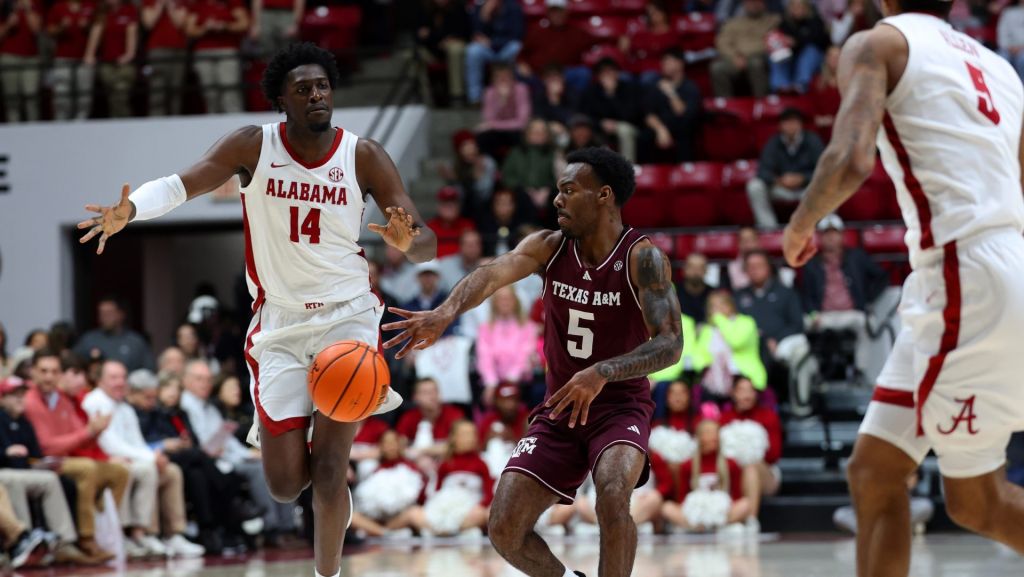
But athletes and their lawyers may have found a new winning strategy: filing cases in state court. Of the ten instances judges have granted preliminary injunctions for eligibility, six have come in state court. In addition, players have recently won two temporary restraining orders (the precursor to a preliminary injunction) in two high-profile cases: Alabama men’s basketball player Charles Bediako (who argued his NBA contracts shouldn’t have precluded him from eligibility) and Tennessee quarterback Joey Aguilar (who argued junior college years shouldn’t preclude eligibility).
Front Office Sports spoke with lawyers and experts who explained why state court might be the secret to winning eligibility lawsuits, from the types of claims to players filed to the ruling patterns of state courts.
Breach of Contract
There’s a general assumption that state judges may be more amenable to players’ eligibility pleas because they have ties to local universities, and therefore have a pro-athlete bias. And the concern about bias is real: At least one judge, Jim Roberts in the Charles Bediako case, has recused himself because he has donated six figures to Alabama sports.
As for why players have been more successful in state court, however, “that is not the reason,” said attorney Tom Mars, who represents Ole Miss quarterback Trinidad Chambliss in his eligibility lawsuit.
Multiple attorneys told FOS the strategy was related to the types of cases they filed, rather than the judges presiding over those cases.
The federal court cases argued that various eligibility laws violated antitrust law—that they put illegal restraints on player earning potential in the NIL era, because they precluded players from participating in seasons that would allow them to earn more name, image, and likeness money. But several of the state cases argued that the eligibility decisions actually constituted tortious interference or breach of contract between the NCAA and member schools, because the decisions weren’t consistent, or didn’t reflect bylaws of previous decisions. Players can then sue because they’re seen as “third parties” to those contracts in the eyes of the courts.
“Judges may be more inclined to grant relief, particularly when local universities or athletes are involved,” sports attorney Darren Heitner, who is representing Bediako, told FOS.
Bediako’s case follows this strategy, as does Chambliss’s. Bediako’s case will be heard Friday; Chambliss’s case is set for next week.
Other State Wins
Not all the state court cases follow this blueprint. This past fall, Aguilar joined Pavia’s lawsuit along with several other players. But last month, he withdrew from the case and filed his own separate lawsuit in Tennessee state court. Instead of arguing for breach of contract, he argued NCAA rules violated Tennessee’s state antitrust law. On Wednesday, he was granted a temporary restraining order giving him eligibility until the hearing for a preliminary injunction, which is set for Feb. 13.
The NCAA pointed out the dynamic in a statement: “This outcome – after the plaintiff withdrew from a federal lawsuit and separately filed a lawsuit in state court with the exact same facts – illustrates the impossible situation created by differing court decisions that serve to undermine rules agreed to by the same NCAA members who later challenge them in court.”
Legal experts have various theories as to why cases might have success in state court, regardless of their claims.
“For emergency relief like a TRO or preliminary injunction, state court can be a more hospitable forum—procedurally faster, with lower hurdles, and judges who may be more comfortable stepping in when flagship state schools are involved,” Tulane sports law professor Gabe Feldman says.
Boise State law professor Sam Ehrlich, who’s been tracking eligibility lawsuits across the country, said he had two. First, at the federal court level, judges may have more familiarity with antitrust claims against the NCAA (specifically because of the NCAA v. Alston Supreme Court decision) and may already have preconceived notions about how it applies to NCAA rules. Meanwhile, state judges have less precedent. The second: Federal judges are more “deferential to institutions” than state judges, who often say they don’t want to “micromanage” the NCAA, whereas “state court judges tend to not care as much, and look more towards the individual harms.”
Potential Solutions
NCAA president Charlie Baker has acknowledged the dichotomy between state and federal courts. “We have to marry those two tracks, the state courts and the federal courts,” Baker told Sports Illustrated on Tuesday. “And it’s going to take a while.”
Mars suggests the NCAA could change its organizational structure from an educational nonprofit to a Delaware corporation. That would likely allow them to transfer the majority of future state cases to federal court, he explained.
Still, courts probably won’t provide stability. Some have argued collective bargaining with players would do the trick. The NCAA, meanwhile, is asking Congress to write a law blocking these lawsuits for good. Said the NCAA after the Aguilar decision: “The patchwork of state laws and inconsistent, conflicting court decisions make partnering with Congress essential to provide stability for all college athletes.”
Download the FOS App
The business of sports, in your pocket.


Scan the QR code to get the app now.