How ESPN Will Use Chris Berman in Its Super Bowl Coverage
Want more from Front Office Sports
in your search results?
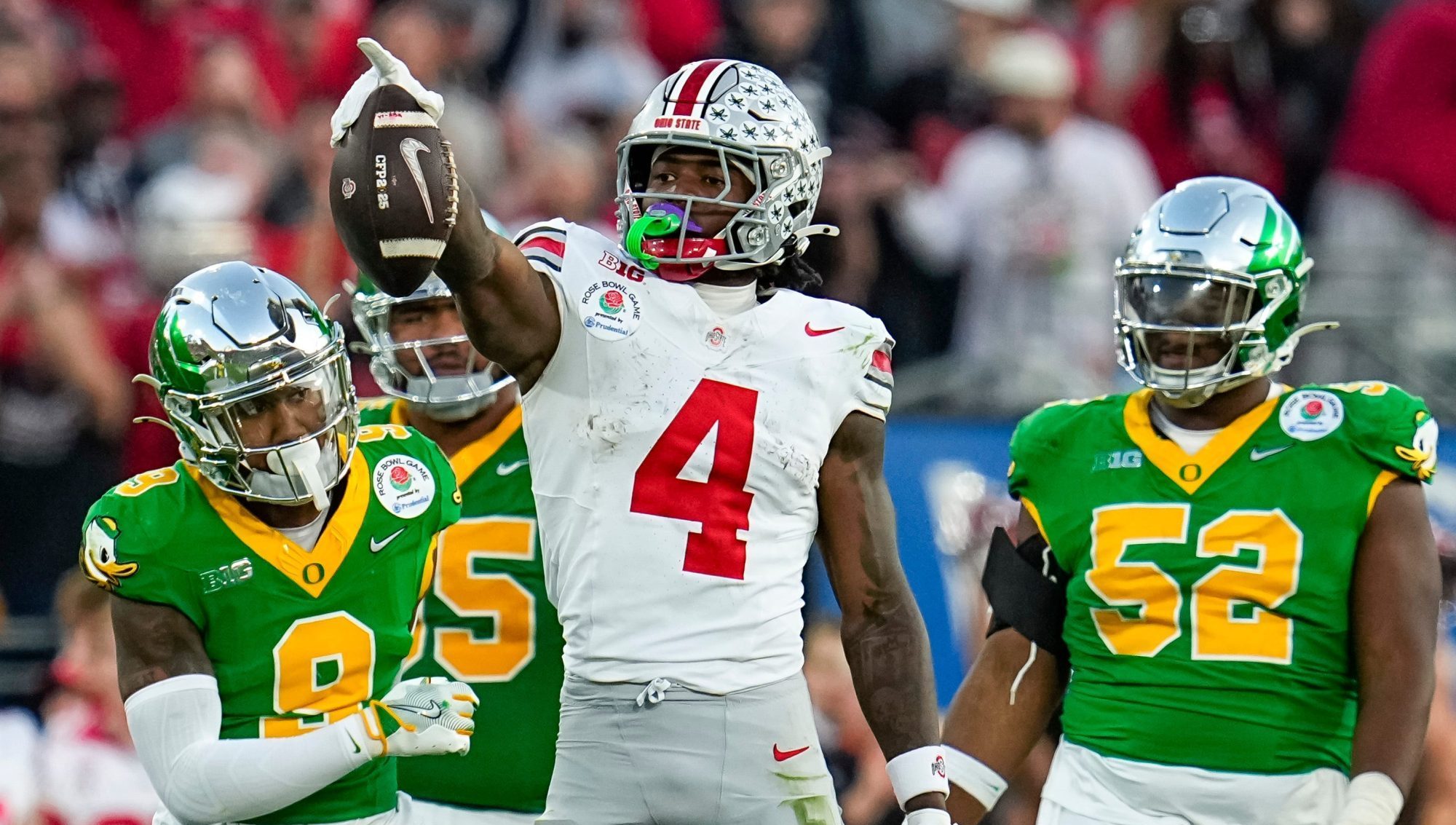
In 2024, college football experienced multiple seismic shifts. A season of change began with another round of realignment led by the Pac-12, and culminated in the first 12-team College Football Playoff that, so far, has showcased an unprecedented amount of parity.
But in 2025, the entire business model of college sports could change in football and beyond. Revenue-sharing, employee status, and collective bargaining are all on the table.
While the courts, Congress, and industry stakeholders battle over the specifics, college sports, and big-time football, in particular, are moving further into an era of professionalization.
Revenue-Sharing on the Horizon
The most probable change, revenue-sharing, will result from the House v. NCAA settlement. Think of it as a give-and-take: The NCAA is conceding that schools should finally be allowed to pay players; but in exchange, it wants more power to control the NIL (name, image, and likeness) market.
The settlement proposal, which calls for $2.8 billion in damages and infrastructure for schools to pay players—was filed in July and granted preliminary approval in October. Northern District of California judge Claudia Wilken has the opportunity to give it a final rubber stamp during a hearing April 7—which would set the Division I revenue-sharing era in motion July 1, 2025.
As it stands now, each D-I school would have the opportunity to share up to a certain amount of money with every player in its athletic department per year. The cap will begin at around $20.5 million per school, and will rise to around $30 million over 10 years. Schools will have to pay all their players, from football players to swimmers, according to an FAQ published by the NCAA.
Schools would have just a three-month window to figure out implementation, which has produced a wave of new athletic department infrastructure like “salary-cap managers” and creative fundraising efforts. But the distribution rules are still up in the air.
Future of Collectives Is Uncertain
Currently, players can negotiate deals with schools, coaches, collectives, and donors before they enroll at a school—which the NCAA considers “pay-for-play.” But the House settlement would require a third-party operator to approve all $600-plus NIL deals from school-affiliated entities. If the operator believes the deals are above the “fair market value” for a player’s NIL rights, then the deal would be blocked.
Multiple experts have told Front Office Sports that they don’t know how fair market value would be determined, and whether the concept would hold up if challenged in court.
As a result of the restriction, some schools have announced they’ll begin to sunset their collectives altogether, or instead bring them in-house. But others think collectives could still find workarounds.
Employee Status Is Less Likely
At the beginning of 2024, the athlete-employee movement was gaining momentum.
In January, two National Labor Relations Board cases involving Dartmouth men’s basketball players and USC football and basketball, respectively, appeared to be progressing toward athlete-friendly rulings. (Dartmouth players received the right to unionize and voted to do so in March.) Meanwhile, the NCAA’s congressional lobbying campaign to halt the movement wasn’t gaining traction.
But in November, Donald Trump won the presidential election—and a red wave swept both houses of Congress. Trump and congressional Republicans will have plenty of mechanisms to halt the athlete-employee movement.
After Inauguration Day, Trump is expected to remove the athlete-friendly NLRB general counsel, Jennifer Abruzzo. He’ll also have the opportunity to almost immediately flip the pro-labor makeup of the NLRB national board after the Senate failed to reconfirm chairman Lauren McFerran for another term.
On New Year’s Eve, Dartmouth men’s basketball players withdrew their petition to unionize. Dartmouth had appealed the pro-union ruling, and the national board had yet to say whether it would take up the case. The union representing Dartmouth players said in a statement that this way, they could “preserve” their win from the first ruling. An administrative law judge is still deliberating the USC decision.
The new makeup of Congress will likely also be pro-NCAA. Sen. Ted Cruz (R., Texas) will head the Senate Commerce Committee, which has jurisdiction over college sports compensation questions, and he’s already said that passing a bill to govern college sports will be a priority. He’s signaled interest in banning athletes from being deemed employees, though he’s also conceded his legislation will need to be bipartisan.
All hope isn’t lost for the employee-status movement. The Johnson v. NCAA case, which argues all D-I athletes are employees, is still pending in federal court. And if Congress passes a law over athlete-employee status that halts the case, attorney Paul McDonald plans to challenge it on equal protection grounds.
Collective Bargaining Has Momentum
A growing chorus of stakeholders have begun to call for athletes to gain more negotiating power.
Coaches have proposed collective bargaining, and a group of plaintiffs in the House case have written a letter asking the judge to mandate the creation of a players’ association. Federal lawmakers on both sides of the aisle have noted players need a bigger voice. (It’s hard to say whether an association that isn’t a formally recognized union would have that much power, though.)
There are plenty of moving parts, but one thing is certain: In 2025, college athletes will look more like professionals than ever before.
Download the FOS App
The business of sports, in your pocket.



Scan the QR code to get the app now.