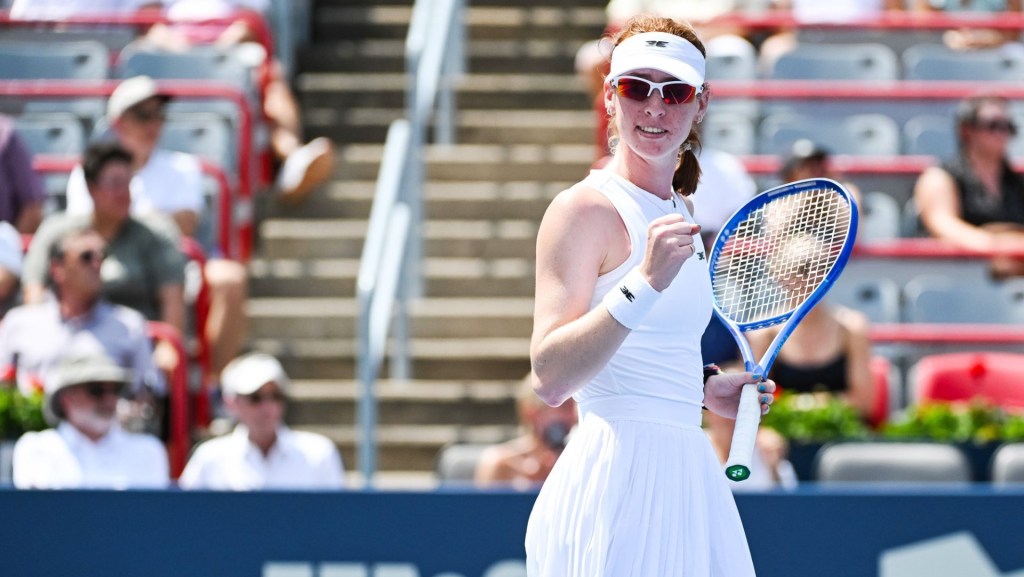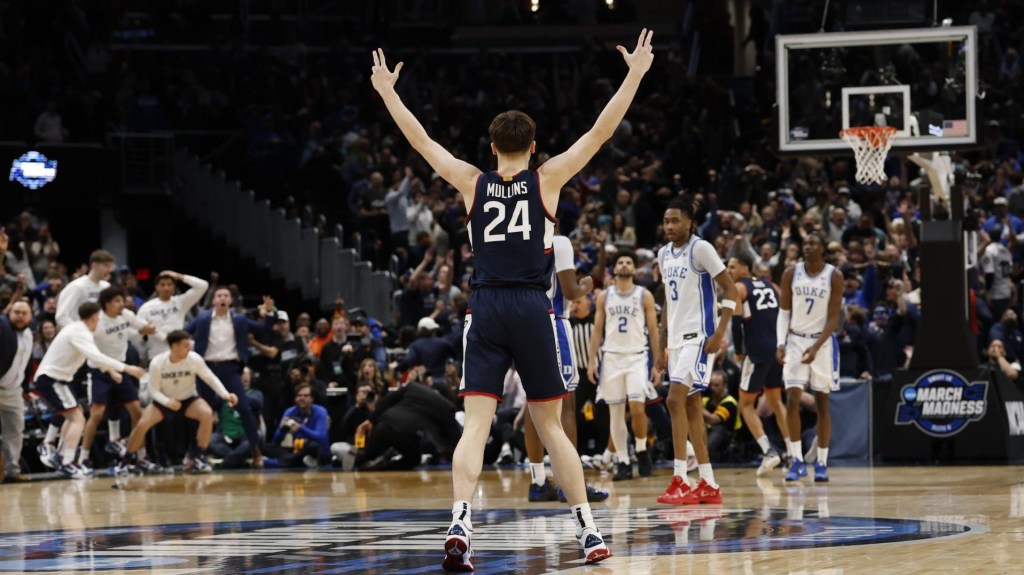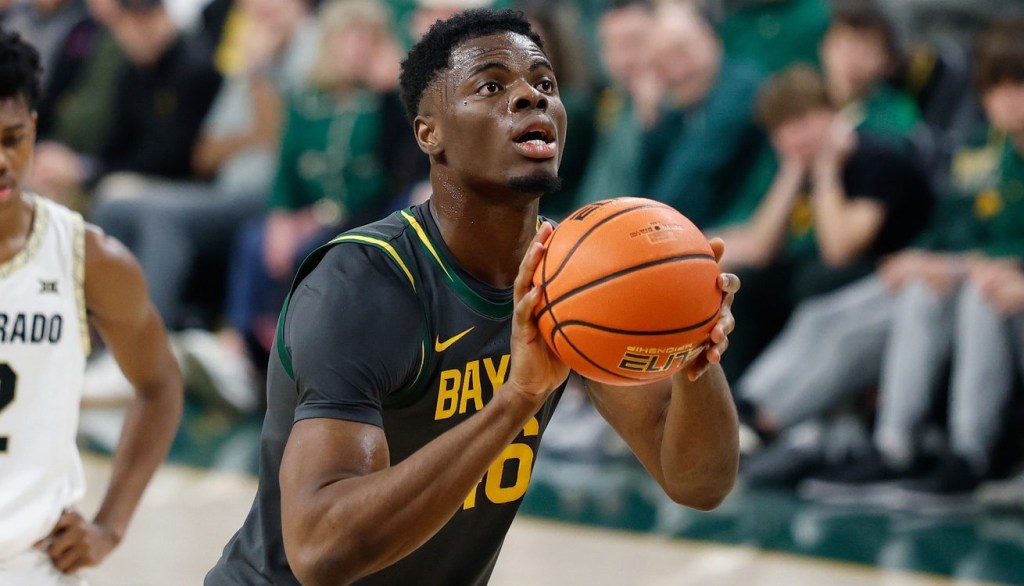
The House v. NCAA settlement, which could receive final approval or denial as early as this week, would allow all Division I schools to share revenue with players for the first time in NCAA history.
But revenue-sharing could be on the horizon whether the settlement is approved or not, thanks to a growing number of state laws and executive orders allowing schools to pay players directly.
Technically, it’s never been illegal for a school to pay a college athlete under any U.S. laws; it’s the NCAA’s rules of amateurism that have prevented them from cashing in all these years. Now, though, some states are pushing through laws making it illegal for the NCAA to stop schools from paying players.
In April 2024, Virginia became the first state to have a law of this kind—even before the revenue-sharing concept had been formally introduced in the House settlement. The language specifically states that “no athletic association, athletic conference, or other organization with authority over intercollegiate athletics shall…prevent an institution from compensating a student-athlete for the use of his name, image, or likeness.”
The bill also prevents conferences and the NCAA from taking “adverse action” against schools that choose to share revenue. That means if the House settlement is rejected but Virginia schools decide to proceed with revenue-sharing anyway, the NCAA can’t punish schools, players, or third parties offering deals without facing state-sponsored litigation.
Since the House settlement was publicized last May, other states have jumped in, passing laws with varying degrees of restriction. In March, Colorado implemented a law allowing for revenue-sharing, though it does not appear to include a prohibition on the NCAA preventing revenue-sharing.
Tennessee, on the other hand, enacted a state law on May 1 considered the most permissive in the country, allowing revenue-sharing and threatening the NCAA if it gets in the way. It also takes aim at some of the proposed compensation restrictions in the House settlement, like the rev-share cap.
Some states have opted for simpler executive orders. Last September, Georgia governor Brian Kemp signed a brief EO saying the NCAA couldn’t prohibit revenue-sharing, and the order would remain in effect until either federal legislation usurped it or a “settlement,” like the House case, provided other guidelines. Last Tuesday, Louisiana governor Jeff Landry signed an almost identical EO.
It’s unclear if or when schools will take advantage of the protections their state governments give them—and what the NCAA will do about it.
In the past, state legislatures have successfully strong-armed the NCAA into relaxing its compensation restrictions. A flurry of state laws, begun by California in 2019, ended up forcing the NCAA to allow athletes to make money off NIL (name, image, and likeness) in the first place.
The NCAA could allow schools to pay players without the settlement’s approval, of course, but is likely holding off to use it as a bargaining chip in settlement conversations.
In a statement to FOS, the NCAA said it “supports all student-athletes profiting from their name, image and likeness and receiving new financial benefits from their schools in addition to the many current benefits they get and is working to bring about these reforms, including through the recent settlement proposal. A patchwork of different state laws, executive orders and court opinions, make it challenging for any league to operate on a fair playing field, including at the conference level and that’s why partnering with Congress to develop a national standard would provide stability for student-athletes and schools everywhere.”
Meanwhile, no school has said explicitly that it would share revenue with students even if the House settlement is rejected—though several have endorsed the efforts of state lawmakers publicly, suggesting they’d at least consider it. Schools and NIL collectives have already begun preparing for the revenue-sharing era by hiring general managers and salary-cap managers, as well as drafting and signing revenue-sharing contracts with players for the upcoming season.
So whatever happens, schools will have the infrastructure to pay players. The question is: when will they start to use it?