How ESPN Will Use Chris Berman in Its Super Bowl Coverage
Want more from Front Office Sports
in your search results?
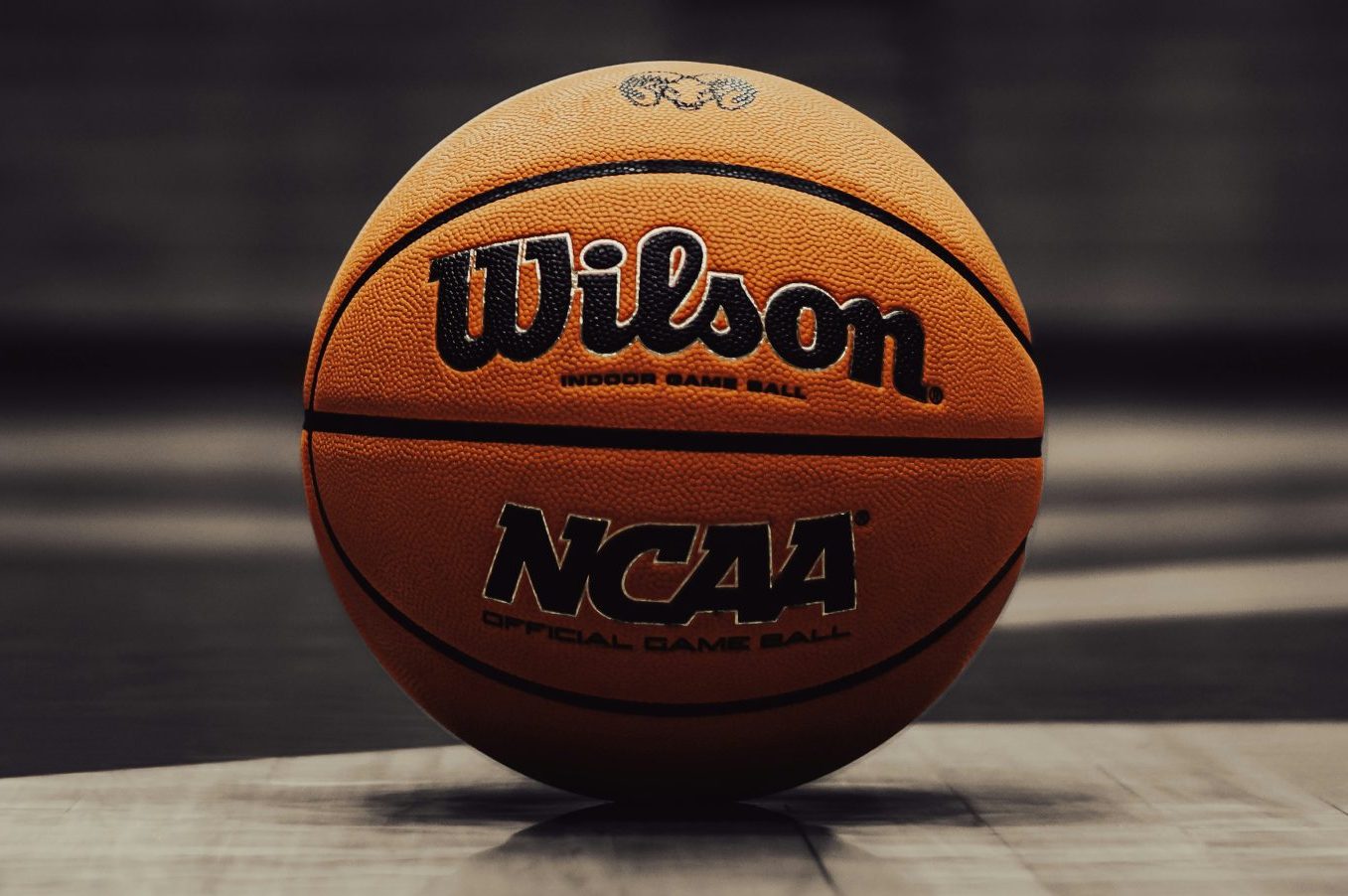
Charlie was not supposed to be betting. As a soccer player at a Big East school, NCAA rules prohibit athletes like him from wagering. Yet he says betting was woven into the social fabric of weekends: “A lot of us did it.”
Amid widespread legalization of sports betting, gamblers are getting younger. According to 2026 research from the National Council on Problem Gambling, one-third of adults ages 21–44 placed a sports bet before turning 21, compared to just 11% in the 55-plus demographic. College students are a huge part of that swath: Some researchers estimate 75% of college students gambled in the past year, including 18% who do so weekly.
Despite the ban for NCAA athletes—as well as coaches and other athletic department staff—gambling is rampant. “We were going to bet regardless, no matter what,” says Charlie, a recent graduate who gambled daily during his eligibility. “I think that any non-revenue-generating athlete should be able to.”
Charlie, whose name has been changed to protect his identity, bet at least $20 every day during that period. That includes up to $200 on March Madness and the NFL playoffs. Once or twice a month, he’d hit parlays that paid out as much as $400. The most he won in a single day was $800; the most he lost was $600. In the round of 64 for March Madness one year, Charlie live-bet games from Friday to Sunday. He won $3,000, but he quickly lost around $100 a day for five days the next week.
Some of these bets were on legal apps, but there was also a lot of action on underground operations running through social networks. Those illegal books operated on credit systems where participants Venmoed at the end of the week regardless of whether they were up or down. “You could just all of a sudden be down like $700, and you haven’t even [had] money leave your account,” Charlie says.
He says fraternities—including his own—often had “one or two bookies.” Some also had a freshman sports “betting pledge,” whose explicit role was to gather and present the best prop bets for the frat across different games.
Charlie’s collegiate soccer career ended after three seasons, due to a combination of injuries and a coaching change that made him realize he no longer loved the game. But he never stopped betting, both on campus and after graduation.
Now, he works for a sports company in New York City. He uses DraftKings and FanDuel to wager. On weekends, he’ll bet $100 or $200 total across multiple games on weekends. Now that he has a steady paycheck, he lives on “a little bit more than when I was in college.”
‘A Great Idea’
Lenny, a current Ivy League basketball player, says students are risking gambling amid the NCAA ban for a few reasons.
“Guys are betting because they want more money than what their school is giving,” says Lenny, who transferred into the conference last year, and asked for his real name to be withheld. “For a kid who comes from less-fortunate circumstances or is focused on providing for someone, the idea that you can make quick money just by keeping your [own stats] the same sounds like a great idea to them.”
For now, the Ivy League doesn’t offer athletic scholarships, participate in revenue-sharing to pay players directly following the House v. NCAA settlement, or entertain donor collectives. While some Ivy League schools do offer NIL deals, they’re often small and local; the league polices deals over $2,000.
This set up can factor into students’ desire to bet, especially in smaller conferences that similarly don’t have many—or any—opportunities to earn, leaving a financial gap that some feel pressure to fill.
Lenny has not bet on sports himself, but he says he has friends in Power 4 conference basketball programs who have bet on their own teams.
Noah, a former Columbia basketball player from Texas (who requested his last name be omitted), saw college athletes try to skirt the NCAA rules for similar reasons. In hopes of making money, he observed athletes use a family member’s credentials or identity—sometimes just to afford groceries and meals.
He comes from a low-income bracket himself and understands the financial strain for some of these athletes—and the appeal of betting to fill the gap. Noah worked in fast food, juggled work-study jobs, and learned to clip teammates’ fades for $20 or $30 when his meal swipes ran out.
Noah adhered to the rules and didn’t download FanDuel until after his final basketball game in March 2025. But since then, he’s learned exactly why the NCAA bans might be right.
“I was like, ‘You know what, I’m going to try it. I want to see what it’s about. I can make some quick money,’” says Noah, now 23 and pursuing a master’s degree at another school. “I was betting so much … not knowing that my account was still in the negative, but it gave me this dopamine that I was like, ‘Oh my God, I’m winning.'”
Noah forced himself to look at his full account history. The highest he won in a single sitting: $10,000. The most he lost: about $800.
Around November 2025, he removed everything. “I deleted all the apps. I banned myself, so I will never be able to open up another account ever. I would not advise it to anybody,” he says. “It’s just another form of a vice. Whether it’s drinking, whether it’s doing drugs, whether it’s gambling, it’s all bad for you.”
‘It’s Hard to Prove’
In 2025, the NCAA voted to lift the gambling ban on professional sports for students and athletic department staffers. Wagering on NCAA games would have remained prohibited. But amid a swath of sports betting scandals, the NCAA hit pause, and then two-thirds of D-I member schools voted not to change the rules.
Among those high-profile incidents was a sweeping point-shaving scheme involving 39 Division I men’s basketball players across 17 schools.
“Some of these kids who allegedly shave points, they were getting paid $10,000 to $30,000 a game for doing it,” says Matt Rybaltowski, a reporter for iGaming Business who covered the point-shaving scandal. “Yes, you can [gamble], but if you get caught, you’re looking at a five-year jail sentence.”
It’s hard to catch all the athletes breaking rules. “Everybody knows the kids are doing some sort of sports wagering. But it’s hard to prove that,” says Ryan Qualls, Columbia’s associate athletic director for compliance. He’s found zero reported sports betting violations in his five years on the job—not because athletes aren’t betting, but because he lacks the resources to catch them.
Illegal gambling can be even harder to catch at smaller institutions, since they’re not able to afford tools that flag unusual betting activity. “For schools that can’t afford the software to monitor it, we just have to keep pounding the education to the student-athletes,” Qualls says.
When asked to comment on the state of compliance offices amid college sports-betting scandals, Syracuse, Rutgers, and Fordham (which is dealing with a former player in the point-shaving case) all declined to comment; nine other New York and New Jersey universities did not respond to the request.
Without equal guardrails in place—and the chance of getting caught relatively low—some college athletes may see the temptation to bet even harder to resist.
For Noah, although he understands the financial motivations, he finds it hard to comprehend that one player would risk the eligibility they worked so hard to achieve. At Columbia, he sat through compliance presentations like every other athlete, including Charlie. He thought the concerns were overblown. “At first, I was like, ‘Man, we should have this. If every single human being outside of playing the sport can do it, I don’t think that the sport should limit us,’” he says.
But now, he sees the flip side—especially after losing money himself. “The protection of student-athletes regarding not being able to bet in sports in general is beneficial for athletes. I’m for not implementing the ability because it’s only going to put a lot of athletes into a position where now they’re in $10,000 in debt, or they can’t buy groceries, or they can’t pay for food for the weekend.”
Noah’s main message to current college athletes: “These companies don’t care about the livelihoods of people. They don’t care about whether or not it’s your last dollar. They’re going to take that money from you and laugh in your face and walk away.”
Download the FOS App
The business of sports, in your pocket.



Scan the QR code to get the app now.