Welcome to FOS College, where special guest A.J. Perez, an FOS Senior Reporter, spoke with several agents about representation in the NIL era — and what that means for both agencies and the athletes eyeing pro careers.
|
|
|
|
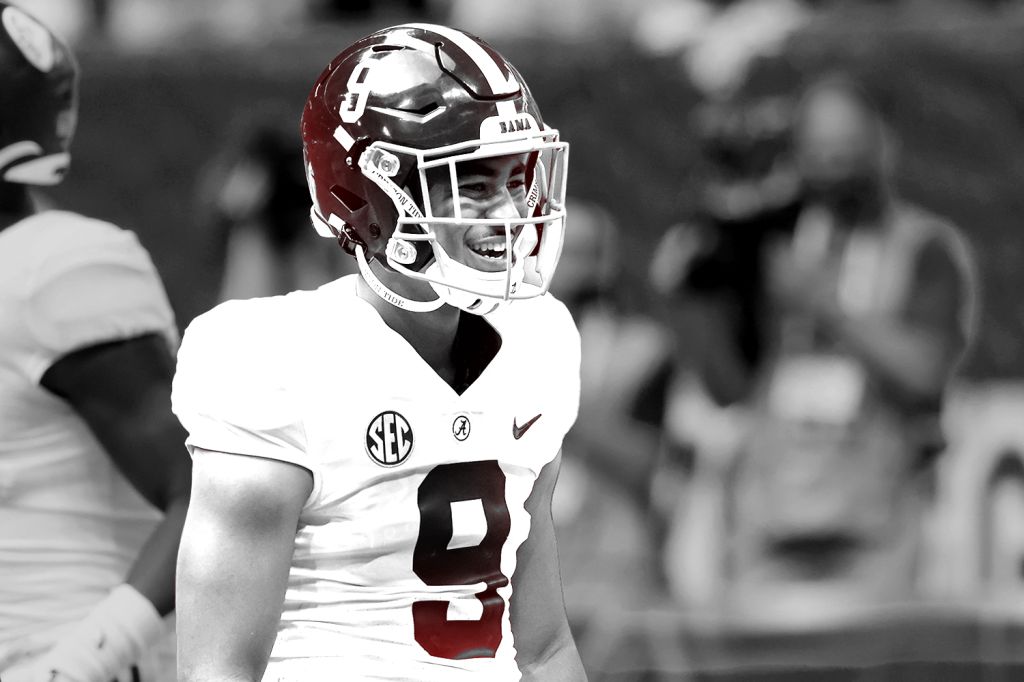
Photo: Jason Getz-USA TODAY/Design: Alex Brooks
|
|
Major sports agencies are no longer tiptoeing around the new name, image, and likeness era.
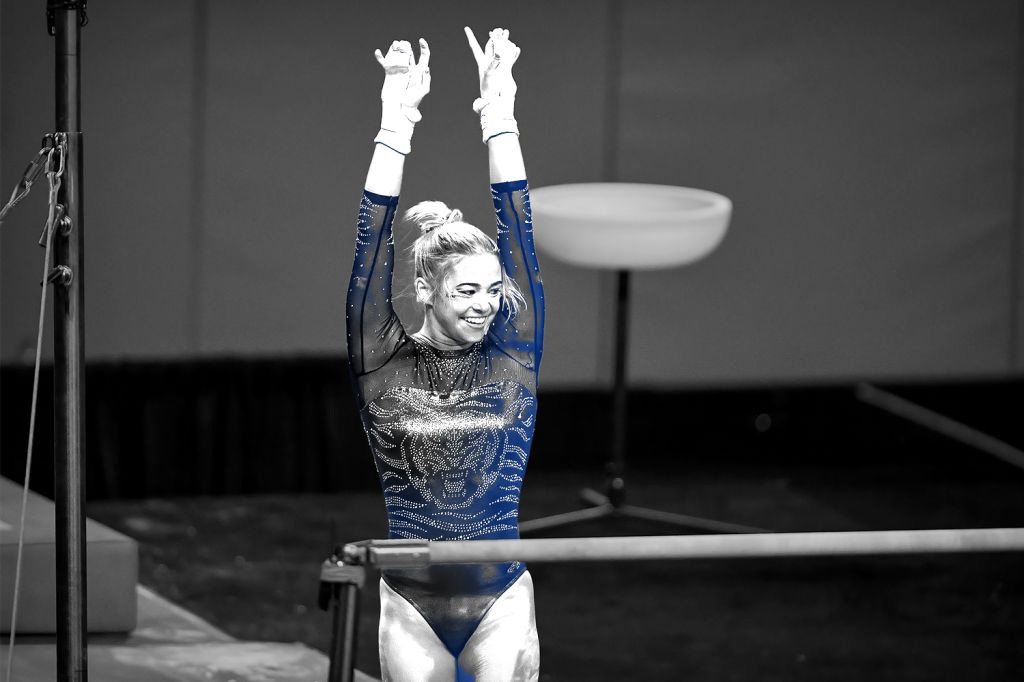
Now that NIL is legal, agencies can sign athletes earlier than ever before — and they’ve begun to do so in droves, from Alabama’s Bryce Young to LSU’s Olivia Dunne.
- Multiple agents told FOS that the hope is to parlay an agency’s NIL representation into eventual draft, and professional, representation.
- “We’re here to build the relationship, and you want it to be long-term,” Bryan Burney, from Athletes First, told FOS. “Now we just can bring them opportunities earlier on to help start that relationship.”
Burney works on the business management side at Athletes First, which counts Kyle Pitts and Justin Fields among 20 first-round NFL draft picks over the last three years. Athletes First hasn’t officially signed college players for NIL representation like other agencies have, although Burney said the agency has advised players.
Agencies still have strict rules to navigate from the NCAA and pro players unions. Agents on the marketing side can facilitate NIL deals, but those who handle pro contracts have to wait.
The NCAA confirmed that any relationship with an agency for endorsements is technically terminated when an athlete leaves college.
The NFLPA, in a memo obtained by ProFootballTalk, wrote that it was the agent’s “responsibility to monitor and ensure that they are in full compliance with all applicable state and federal laws, as well as NCAA rules that impact the player’s eligibility.”
“We can’t afford to even dabble in the gray area,” Burney said. “The NFL is just not our bread and butter. It’s our only bread and butter. That’s all we do.”
|
|
|
|
|
Photo: Jerome Miron-USA TODAY/Design: Alex Brooks
|
|
The NIL era isn’t even three months old, but agencies have already gone after the biggest athletes in several different sports.
Here’s a look at some of the highest-profile names whose sponsorships are handled by major agencies:
- CAA: Alabama QB Bryce Young, Duke basketball player Paolo Banchero, and Maryland WR Rakim Jarrett.
- Everett Sports Marketing: Georgia QB JT Daniels, Fresno State basketball players Hanna and Haley Cavinder, and UNC QB Sam Howell.
- Klutch Sports: USC QB Kedon Slovis.
- Steinberg Sports & Entertainment: Oklahoma QB Spencer Rattler, Liberty QB Malik Willis, South Carolina safety RJ Roderick, and Coastal Carolina CB D’Jordan Strong.
- Wasserman Sports: UConn basketball player Paige Bueckers, UNT soccer player (and former trailblazing kicker at Vanderbilt) Sarah Fuller.
- WME: LSU gymnast Olivia Dunne.
These agencies have facilitated many of the deals you’ve probably already heard of. WME facilitated Dunne’s partnership with Vuori, and Wasserman helped create Fuller’s clothing line.
Agents argue that without their help, athletes could be exploited. Burney offered some advice when it comes to one certain type of deal: autographs.
“You have guys telling kids, ‘Hey, come here and sign for two hours and I’ll pay you X amount,” he said. It’s the fly-by-night memorabilia companies you have to be concerned about, not the major ones.
“They will tell you, ‘Hey, don’t tell your agent. Don’t tell your manager. You won’t have to pay taxes. I will give you cash.”
|
|
|
|
- The Knight Commission presented a proposal to the NCAA Constitutional Committee for fixing D-I spending patterns. It criticizes schools for spending too much on coaching salaries and facilities, and not enough on health/safety, equity, academics, etc.
- The NCAA Division I Council approved a new method of suggesting and implementing reforms, aimed at speeding up the governance process.
|
|
|
NIL may provide a loophole about when agents can court athletes, but is that really such a bad thing?
Signing with an agency is a major decision. NIL gives athletes opportunities to test out the waters, and make sure the agency they trust is really the best fit for them earlier than they ever could.
The NIL era is all about returning the rights that the NCAA had previously stripped away. This is just one more way that athletes can take control of their own futures.
– Amanda Christovich
Tips? Comments? Reach out to A.J. Perez at aj@fos.company or on Twitter. Reach out to Amanda Christovich at amanda@fos.company or on Twitter.
|
|
|