Minor League Baseball shuts down the 2020 season, Adidas faces an HR shake-up, the coronavirus continues to complicate the return of sports, and MLS stadiums are going private.
|
|
|
|
Photo Credit: Alonzo Adams-USA TODAY NETWORK
|
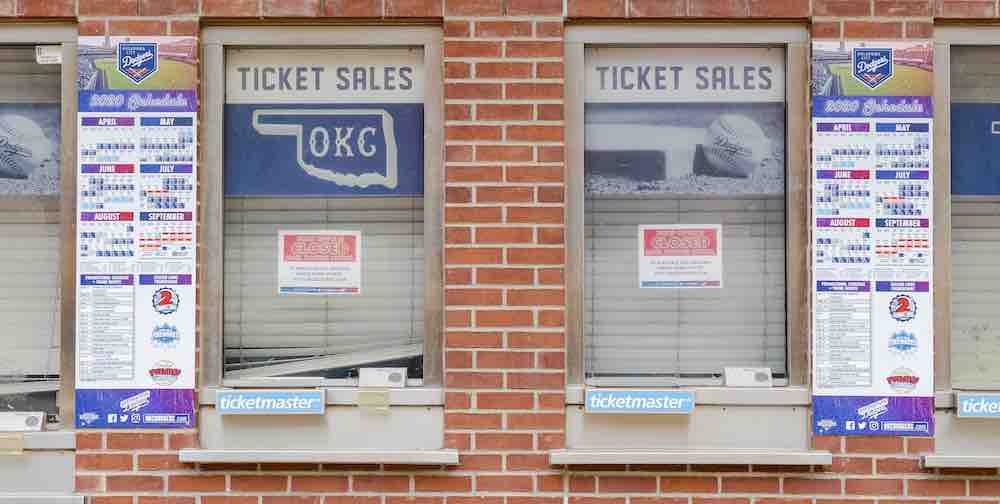
There will be no minor league baseball in 2020. MiLB announced yesterday that it was canceling the season after MLB teams said they would not provide affiliated clubs with players.
With no games this year, some communities might not have a goodbye tour for their local teams as MiLB had started to work with MLB to realign the minors and eliminate approximately 40 organizations. Minor League Baseball is now in “dire straits,” according to MiLB CEO Pat O’Conner.
“It’s north of half [of teams] who could either have to sell [or go insolvent without government or other help,” O’Conner said. “I could see this [economic impact] lingering into 2022, 2023 easily. In some cases, possibly a little longer.”
Amid the shutdown, Minor League teams have explored creative ways to survive. For example, the Pensacola Blue Wahoos offered their stadium up on Airbnb while others found ways to provide their communities with food. Several teams in Texas and Oklahoma were granted limited expansion franchises for the Texas Collegiate League, which opened yesterday.
Still, many teams across the country have been forced to lay off or furlough employees – and more could be on the way to doing the same now without a season to look forward to in 2020. Minor league players are also facing several issues of their own, ranging from long-term development after missing a full season to whether or not teams will keep paying their $400 per week stipends as MLB required through at least May 31. Many teams have committed to paying the minor leaguers through the end of the season.
|
|
|
|
|
Photo Credit: Ron Chenoy-USA TODAY Sports
|
Following employee complaints about the culture and lack of diversity at Adidas, the company’s global head of human resources Karen Parkin is stepping down.
In June, some Adidas employees questioned whether Parkin had addressed racial issues appropriately, sending a letter directly to the company’s supervisory board. The board rejected the statements made in the letter. In a meeting last year, Parkin said racism was “noise” that is only discussed in America, and that she didn’t believe the brand had an issue with racism, according to the Wall Street Journal.
In a memo to Adidas staff announcing her retirement, Parkin said she’s always worked against racism but recognizes “the focus on me has become a hindrance inhibiting the company from moving forward.”
Responding to employee criticisms that it was struggling with the issues of racism and discrimination, Adidas pledged $120 million for racial justice causes and Black communities in the U.S. The company also said it would support 50 university scholarships for Black students each year over the next five years, and that a minimum of 30% of all new positions at Reebok and Adidas in the U.S. would be filled with Black and Latino candidates.
|
|
|
|
|
Photo Credit: Quinn Harris-USA TODAY Sports
|
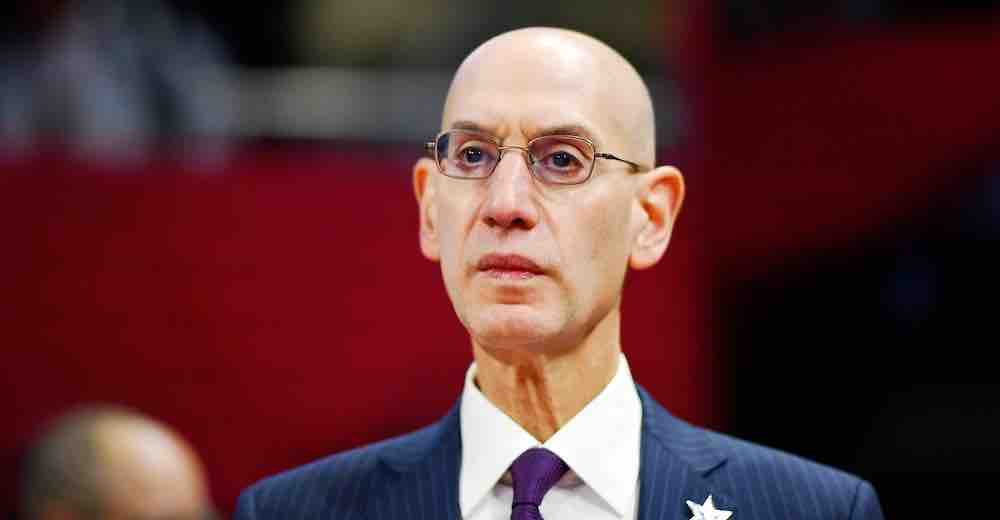
The plan to restart the NBA season in Orlando is still on track, but as cases spike across the country – and the league – Commissioner Adam Silver said a spread in the NBA community could stop it for a second time.
“Never full steam ahead no matter what,” Silver said during the TIME 100 Talks. “One thing we are learning about this virus is much [is] unpredictable, and we and our players together with their union look at the data on a daily basis. If there were something to change that was outside of the scope of what we are playing for, certainly, we would revisit our plans.”
Silver didn’t put a threshold on what would force the league to cancel the restart. Isolated cases will be tolerated, but a widespread outbreak within the community would be the indicator to shut it down. Even with a spike of cases in Florida, he still believes the Disney World campus will be safer than elsewhere.
The NBA shut down in March when Utah Jazz forward Rudy Gobert tested positive and essentially brought the sports world to a halt.
Other COVID-19 News:
— The Denver Nuggets closed their practice facility after at least three members of the 35-person traveling party headed to Orlando tested positive for COVID-19. Brooklyn Nets players DeAndre Jordan and Spencer Dinwiddie also tested positive, and Jordan has opted out of the NBA restart.
— At least four major amateur basketball tournaments are scheduled for Las Vegas this summer, making it, as usual, a prime recruiting ground for NCAA coaches. The wrinkle? There’s a recruiting dead period in July and August because of the pandemic, meaning the coaches will have to watch over live streams.
— The University of Dayton has canceled its football season opener, while Williams College in Massachusetts has canceled sports for the upcoming academic year while also cutting tuition 15%.
|
|
|
|
|
Photo Credit: Amanda Rossmann via Imagn Content Services, LLC
|
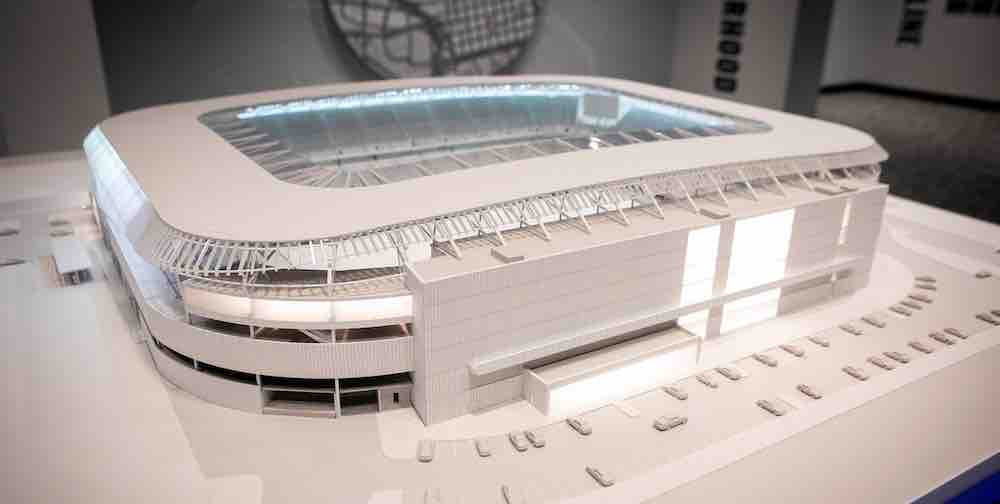
As MLS expands, teams are moving away from the publicly-financed stadium route. There are currently seven teams developing privately-financed homes worth a collective $2.85 billion.
Teams and owners taking on the onus of these major projects is likely a relief to communities that have offered up billions of dollars for new MLB, NBA, NFL, and NHL arenas the past several decades, and in some cases shown regret since. Cincinnati, for example, shelled out $1.2 billion in taxpayer money for the homes of the Reds and Bengals, while FC Cincinnati is instead privately financing its new $250 million stadium.
“It’s a different political economy from what it was a few decades ago. Cities are willing to say, ‘We’re not going to build that stadium for you,’” Brookings Institution Metropolitan Policy Program fellow Adie Tomer told the New York Times. The public dollars aiding billionaires in building stadiums only helped create “wealthy individuals faster than we’re creating sports teams,” Tomer added.
After the Columbus Crew opened a $34 million stadium in 1999, another 19 MLS stadiums with a total cost of $4.2 billion were built in the ensuing 20 years. More than half of those came with “substantial amounts of public support.”
Stadiums in the works:
- Austin F.C. – $260 million stadium and a $45 million training center
- Columbus Crew S.C. – $300 million
- F.C. Cincinnati – $250 million
- Inter Miami C.F. – $60 million training facility and a stadium as a piece of a $1 billion development
- Nashville SC – More than $325 million
- Sacramento FC – $252 million
- St. Louis – $400 million
|
|
|
|
|
Will the NBA have to postpone any games in its upcoming tournament due to positive COVID-19 tests?
|
|
Tuesday’s Answer
64% of respondents play zero hours of video games per week; 20% play between one and three hours per week; and 16% play more than fours per week.
|
|
|