The sports world continues to speak out, the NBA is likely headed to Disney World, baseball inches closer towards a deal, and California may win big in sports betting.
|
|
|
|
Photo Credit: Chris Landsberger/The Oklahoman via USA TODAY NETWORK
|
|
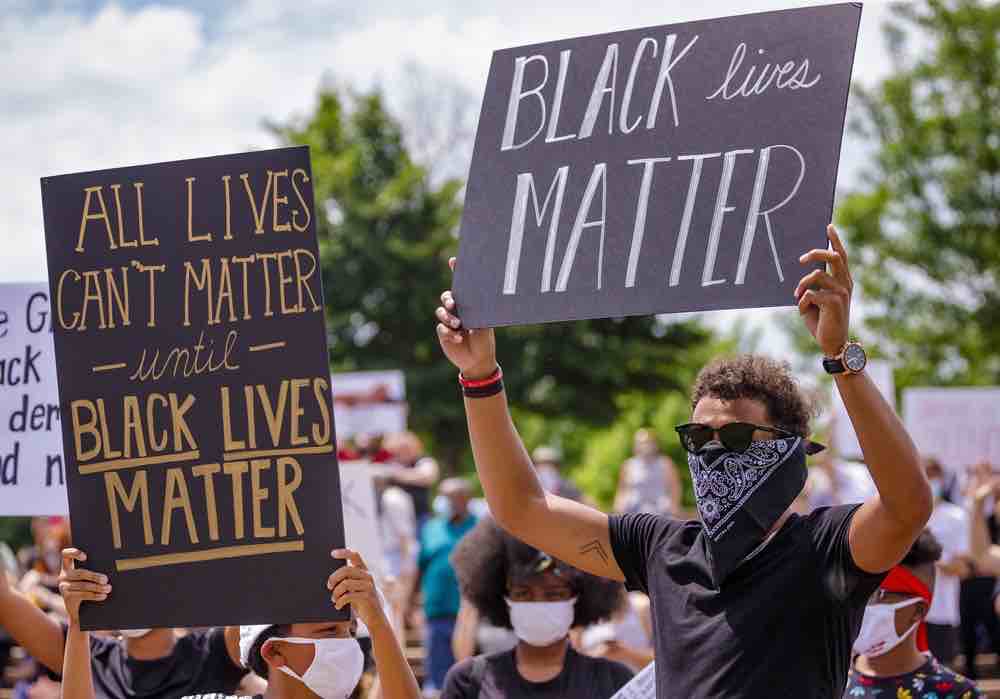
As protests continued across the U.S. in response to the killing of George Floyd in police custody, the sports world continued to react in different ways.
- Leagues, teams, athletes, and brands across sports participated in #BlackOutTuesday messaging.
- In particular, athletes are using their social media platforms to share messages opposing police brutality and equality – a group that is quickly becoming more diverse.
- Team owners are also getting involved, ranging from Philadelphia Eagles Chairman and CEO Jeffrey Lurie leading a team meeting on race relations to Baltimore Ravens owner Steve Biscotti donating $1 million to fund Baltimore-area social justice reform.
- New York Knicks owner James Dolan sent an email to MSG staff explaining the company’s decision not to make a public statement yesterday. “We vehemently condemn and reject racism against anyone, period. It is against every value that we hold dear,” the email said.
- Looking to make a more profound commitment to diversity and inclusion, CAA appointed Lisa Joseph Metelus to its executive board. Metelus, who serves as CAA’s co-head of basketball marketing, works with clients like Dwyane Wade and Zion Williamson.
- The Big Ten Conference created an anti-hate and anti-racism coalition that will include student-athletes, coaches, athletic directors, presidents, and others. Big Ten Commissioner Kevin Warren became the first African-American commissioner of a Power Five conference when he was appointed to the position in 2019.
|
|
|
|
|
Photo Credit: Noah K. Murray-USA TODAY Sports
|
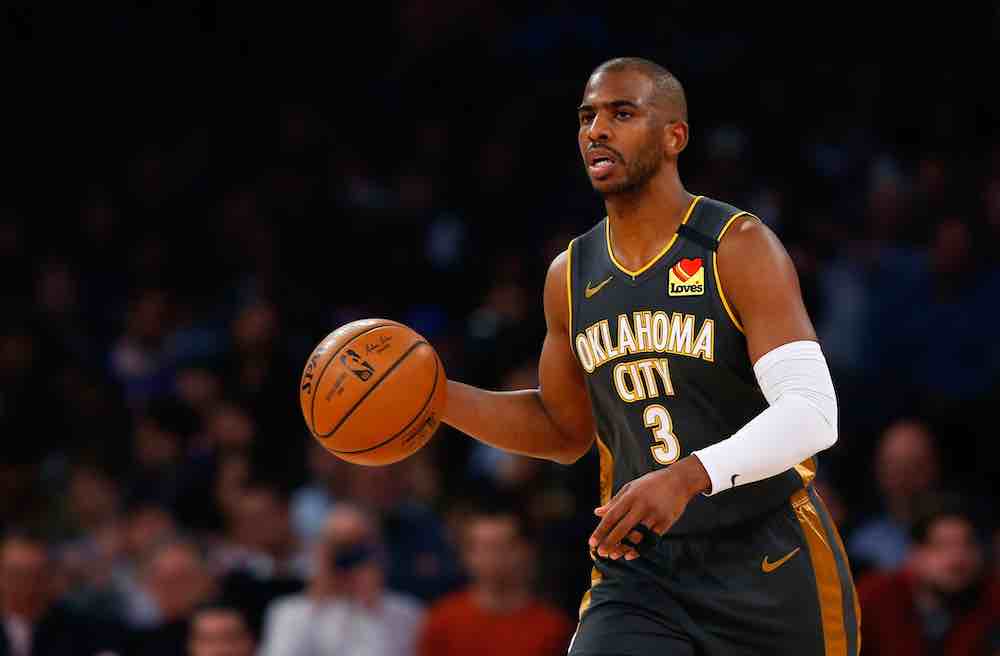
The estimated $1.4 billion a year Disney pays for NBA broadcast rights and the “fewer opportunities for players to get into off-court trouble,” likely helped set Orlando apart from top competitor Las Vegas in a battle to host the league’s restart. Disney, meanwhile, would see employees back at work as the NBA spends “tens of millions of dollars” and ESPN can avoid an estimated $481 million loss of ad revenue from an incompleted season.
The NBA is expected to announce its plans for play later this week, including a 22-team format, which would require a three-fourths majority vote of the 30 teams. The expanded playoff model would be worth “several hundred million dollars” more than if the league skipped straight to the normal 16-team playoff.
While the talk of a 22-team model gains traction, Oklahoma City Thunder owner Clay Bennett spoke out on why all 30 teams should be included in a July restart. Nine months without play could leave small markets like OKC with issues in player development, sponsorships and ticket sales. To quell those concerns, there has been talk of mandatory summer training camps and regional fall leagues.
|
|
|
|
|
Photo Credit: Jayne Kamin-Oncea-USA TODAY Sports
|
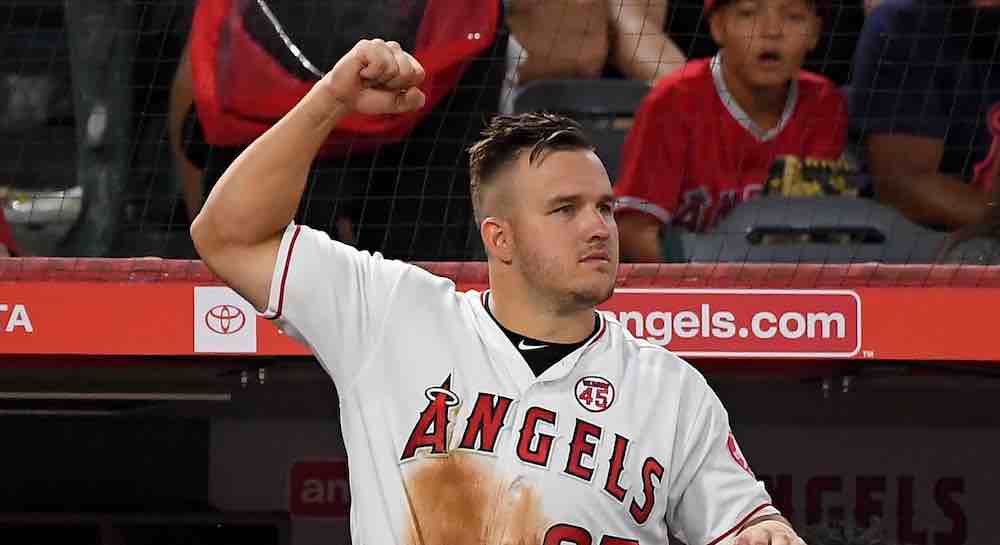
After four weeks of talks, Major League Baseball and the players union are inching closer to a deal to start the season, though time is running out. In order to meet an early July start and accommodate a second spring training, the two sides need to strike an agreement in the next week.
League owners have yet to respond to a players’ proposal for a 114-game regular season with deferred salaries in the event of a canceled postseason, but they are expected to reject the measure and have floated a 50-60 game season in response. Owners have claimed paying players their prorated salaries in a shortened season would result in a $4 billion loss, a number disputed by FiveThirtyEight, which says operating costs were likely counted in full rather than half.
MLBPA says pay cuts proposed by the owners would total $800 million, with the bulk of them carried by high-paid stars. Though the average MLB salary is $4 million, nearly two-thirds of players earn less than $1 million a year. MLB revenues last year were a record $10.7 billion.
A deal now would still enable baseball to return to action before any other major North American team sport, and in time for Independence Day. A canceled season could set the industry back in a manner worse than the strike that canceled the 1994 World Series.
|
|
|
|
|
Photo Credit: Kyle Terada-USA TODAY Sports
|
Sports betting could become legal in California later this year, opening up a $30 billion annual handle. A proposal in the legislature needs to garner 60% approval and be signed by Gov. Gavin Newsom by June 25 to ensure its place for a public vote in November.
Analysts estimate California could generate between $500 million and $700 million annually in taxes by implementing a 10% tax on gross revenue for in-person wagering and 15% on mobile or online sports betting. New Jersey, the nation’s largest sports betting market, has a 13% online sports betting tax rate and 9.75% take on retail sportsbooks.
State Taxes Collected Since May 2018 From Sports Betting:
- New Jersey – $57.8 million
- Nevada – $39.3 million
- Pennsylvania – $42.1 million
- Total From 12 Active States – $198.5 million
|
|
|
|
|
From Erika Nardini to Jamey Rootes, sports executives nationwide are being forced to run their companies remotely due to the coronavirus pandemic.
Youth sports opportunities have come to a screeching halt as well, forcing the YMCA to seek out creative solutions.
Sports betting has pulled back the last couple months, causing betting companies to seek out content to keep users engaged.
ESPN’s Dave Pasch sits down with FOS for a Q&A to discuss calling games without fans as well as the open seat in the MNF booth.
|
|
|
Should teams be expected to issue public statements on social issues?
|
|
Tuesday’s Answer
78% of respondents shop for groceries in person, 13% do so online, and 8% use an app.
|
|
|







