How ESPN Will Use Chris Berman in Its Super Bowl Coverage
Want more from Front Office Sports
in your search results?
The rumor mill for NIL collective deals is now an annual tradition in college sports, a space where stories of alleged offers to athletes in the transfer portal go viral on almost a weekly basis.
But many of the biggest headlines report vastly overinflated numbers, according to four industry experts who work for or with collectives and athletes. “You can say whatever you want, because no one knows … no one talks numbers,” one Power 5 collective operator tells Front Office Sports. “Even our athletes lie about what they make to other athletes on the team.”
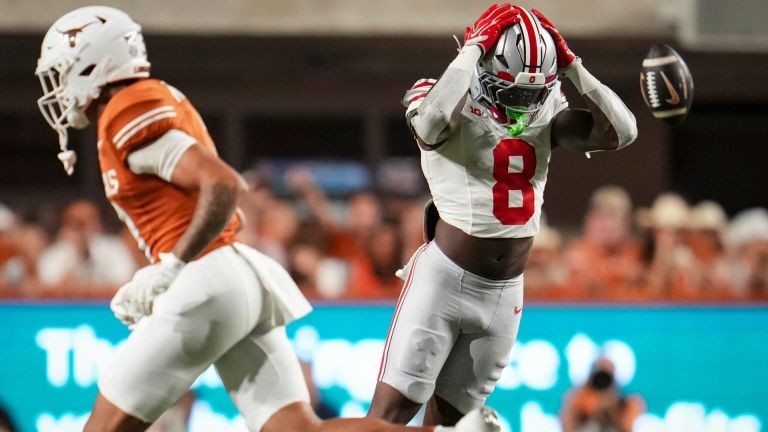
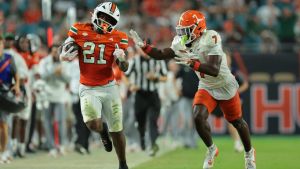
Within days of the portal opening this year, on Dec. 4, a bombshell report suggested that Ohio State receiver Marvin Harrison Jr. fielded an offer around $20 million, presumably an attempt to lure him to stay with the Buckeyes an extra year instead of declaring for the NFL draft.
But none of the four experts FOS spoke to believed that figure was accurate. Even if it were, the offer would be a significant outlier in the collective market.
“On the record: It’s absolute bulls—,” says Jason Belzer, head of Student Athlete NIL, which helps run collectives for schools across the country.
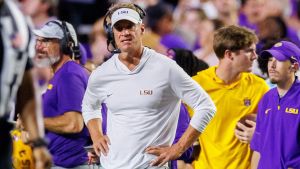
A slightly more tempered but still jaw-dropping headline: Nebraska head coach Matt Rhule said in December that a “good quarterback” costs somewhere between $1 million and $2 million in the portal.
“That’s just completely made up,” the Power 5 collective operator says.
It could be the case for Rhule and the Cornhuskers, but certainly not for the vast majority of the Power 5, the same source says. So what does the overall collective market actually look like?
One Power 5 collective operator says that even within the richest group of schools, there are three different tiers of collectives representing vastly different amounts of money for players.
Sources agree that athletes employed by the top tier will make in the ballpark of seven figures, but one added that some athletes make this amount of money due to a combination of collective earnings and other NIL contracts.
Some companies with access to collective contracts have attempted to publish aggregate data. Belzer reported that 61 “Power 4” one-year contracts that ran through his company totaled $7.3 million, with athletes receiving an average of $120,000. Other companies, like Opendorse and INFLCR, have also released aggregate data on the collectives they engage.
While these numbers are the closest thing in the industry to a complete picture, the data has significant limitations:
- These companies only have access to the collectives they work with, so their data is hardly representative of the entire industry.
- Companies (specifically Opendorse and INFLCR) only have access to the data that their schools or collectives report.
- Due to the limitations of basic math, averages could be skewed by a huge contract outlier.
There’s a reason the NIL industry has a stunning lack of transparency: NIL deals aren’t player salaries. In the pros, athlete salaries are made public because they’re collectively bargained—but players aren’t required to disclose endorsement contracts or other private business dealings.
“You don’t know what Aaron Rodgers makes from a State Farm Deal,” says Jim Cavale, the former CEO of INFLCR and founder of athlete advocacy organization Athletes.org. “But you do know what he makes with the Jets.”
In college athletics, the opacity can help and harm all parties. Since collectives themselves don’t know what competitors are truly offering, athletes or agents can leverage completely fabricated offers—or wind up empty-handed if they overestimate their marketplace value.
“You can also lie as a collective,” Cavale adds. He says he has heard of multiple situations in football and basketball in which collectives have falsely promised athletes a certain amount of money if they transfer.
Without formal agreements, it’s unclear whether athletes would have legal recourse in that situation. And those outside the top tier may not have the money to hire lawyers to go after collectives.
There’s a movement, at least at the NCAA level, for real transparency. NCAA president Charlie Baker has asked Congress to pass a federal law that would require some sort of disclosure of NIL deal values, even without specific athletes’ names attached. Many frustrated coaches support that movement.
Achieving transparency could be relatively simple: The NCAA could agree to collectively bargain with athletes and create a revenue-sharing or salary agreement, experts have noted.
“I’m for transparency, but not how it’s currently set up,” one collective operator said.
The NCAA, meanwhile, is fighting tooth and nail—in courts and in Congress—against athlete unionization, collective bargaining, or employee status. So for now, the NIL market will remain a rumor mill, for everyone involved.
Download the FOS App
The business of sports, in your pocket.



Scan the QR code to get the app now.